Attack Surface vs Attack Vector: Differences and Examples
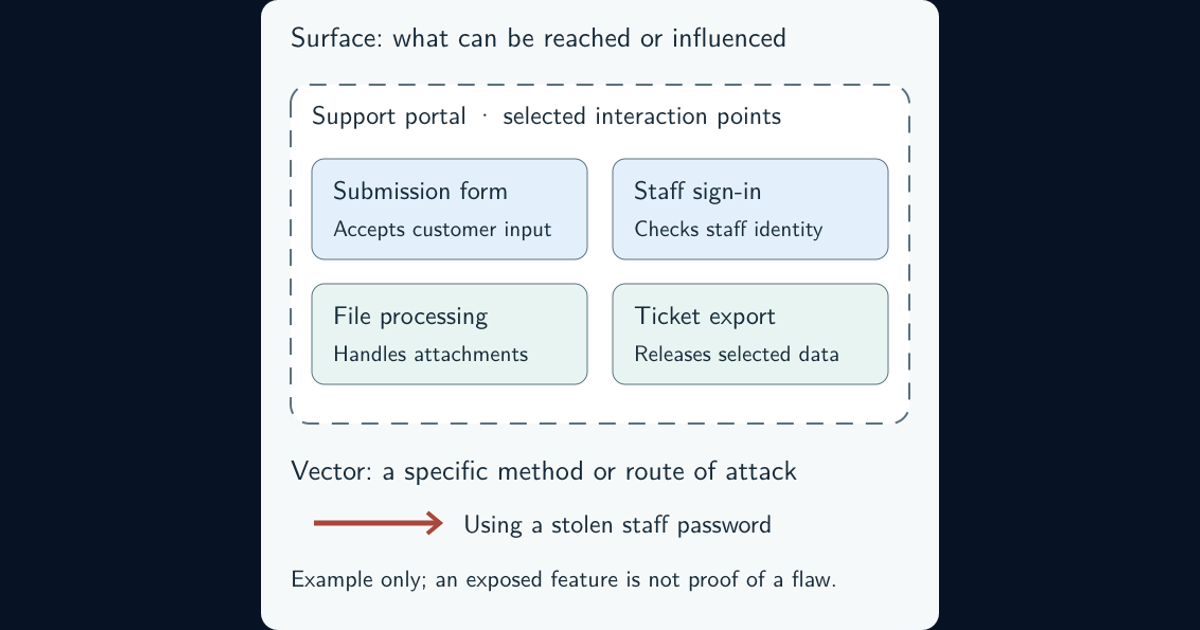
Attack surface describes where a system can be reached or affected; an attack vector describes how it is attacked. Compare both with vulnerabilities.
Clear, practical explanations of foundational cybersecurity ideas and safer digital habits.
13 resources
Attack surface describes where a system can be reached or affected; an attack vector describes how it is attacked. Compare both with vulnerabilities.
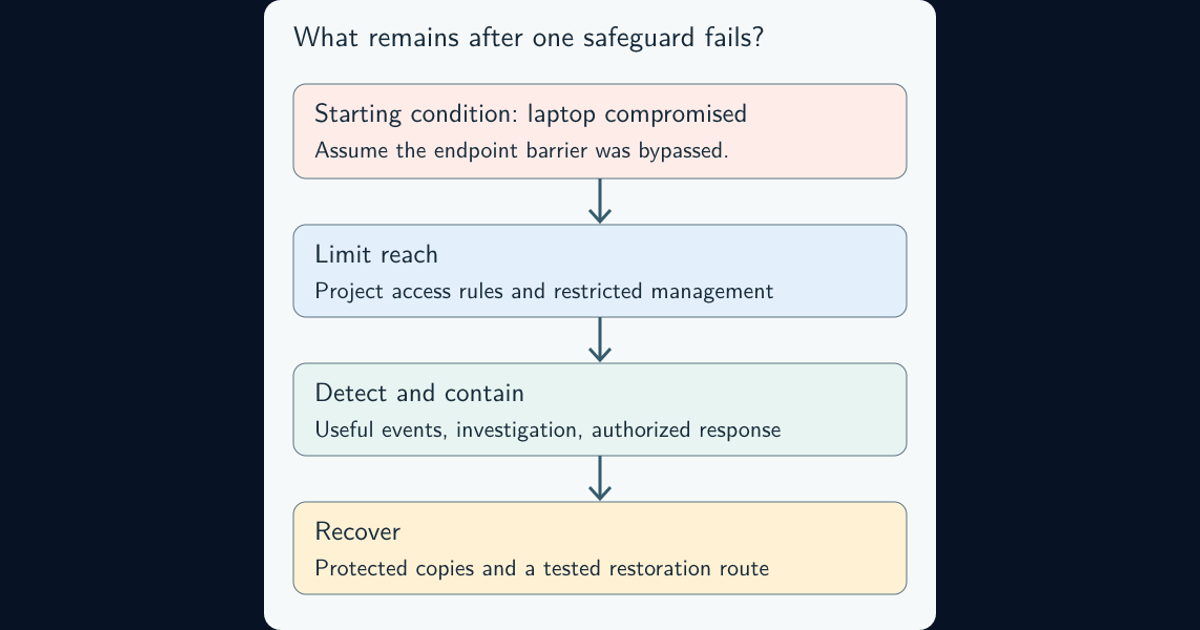
Defense in depth combines safeguards so one failure leaves other protections. Explore their roles, shared dependencies, and a worked example.
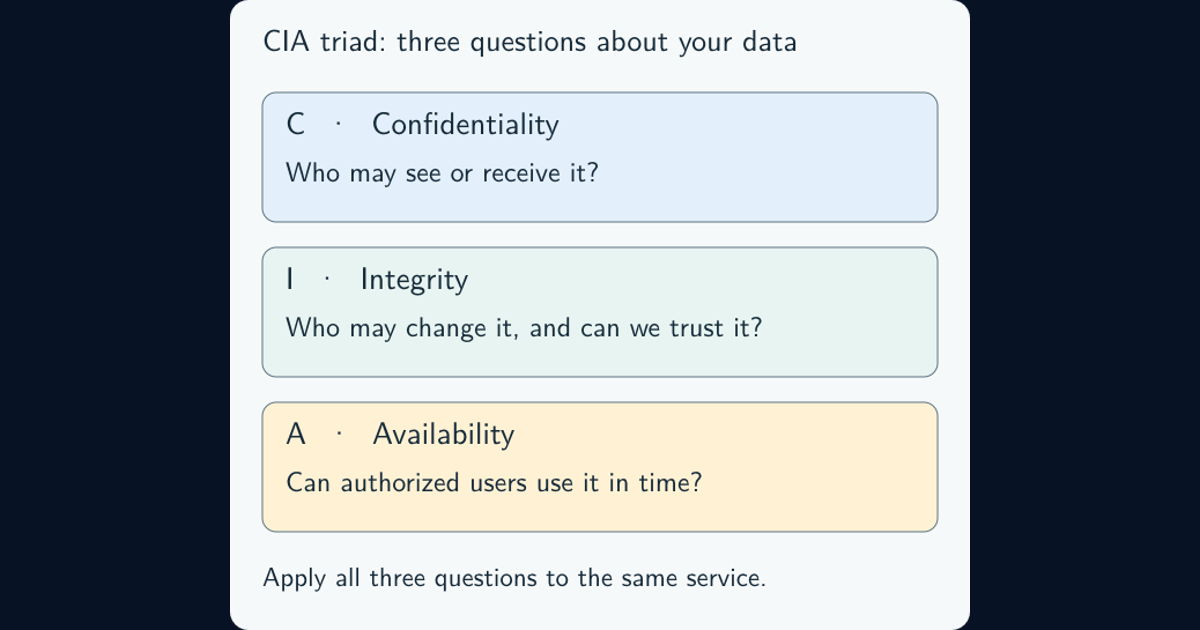
The CIA triad describes confidentiality, integrity, and availability. Compare these security goals through a practical payroll example.
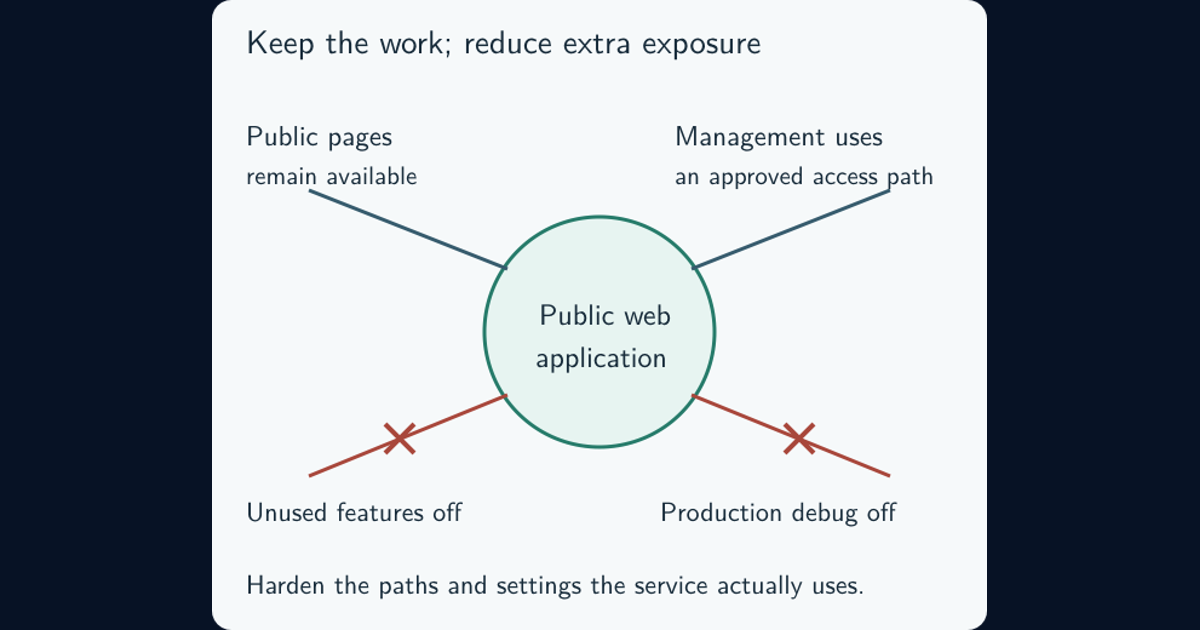
Learn what system hardening changes, how to choose a configuration baseline, test a safe rollout, and detect drift without breaking required work.
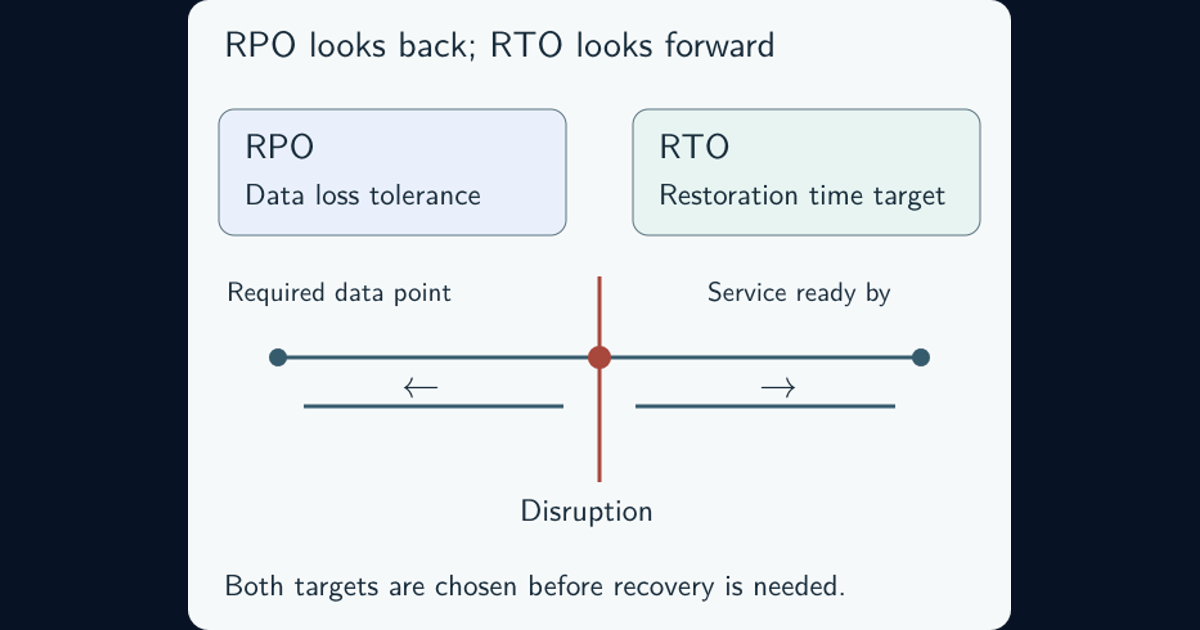
RPO sets data-loss tolerance; RTO sets a recovery-time target. Use a worked example and restore tests to check what your backups can actually deliver.
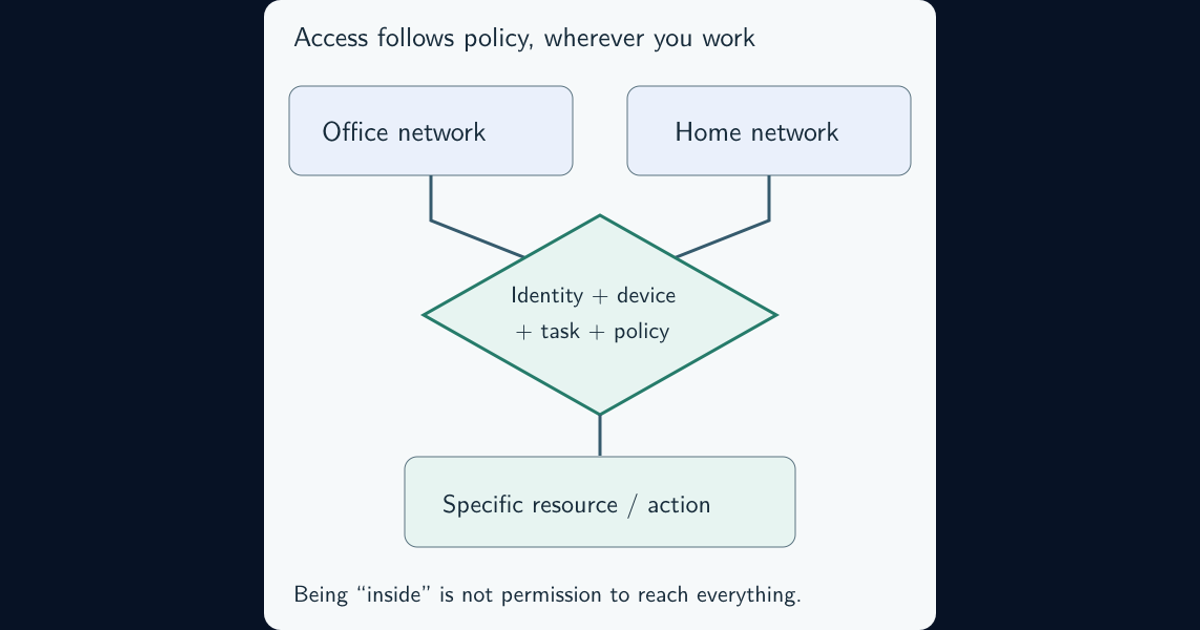
Understand zero trust through an access example: how identity, device evidence, policy, and enforcement work together, and where VPNs and ZTNA fit.
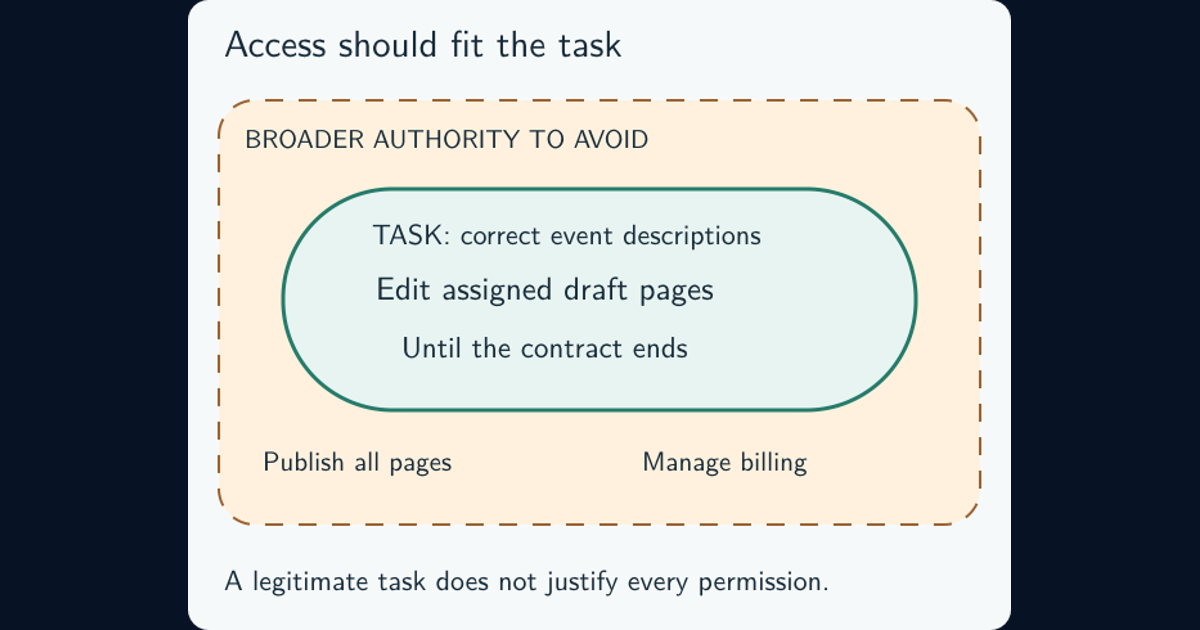
Learn least privilege through a worked access decision: limit actions, resources, and time, check inherited permissions, and keep legitimate work possible.
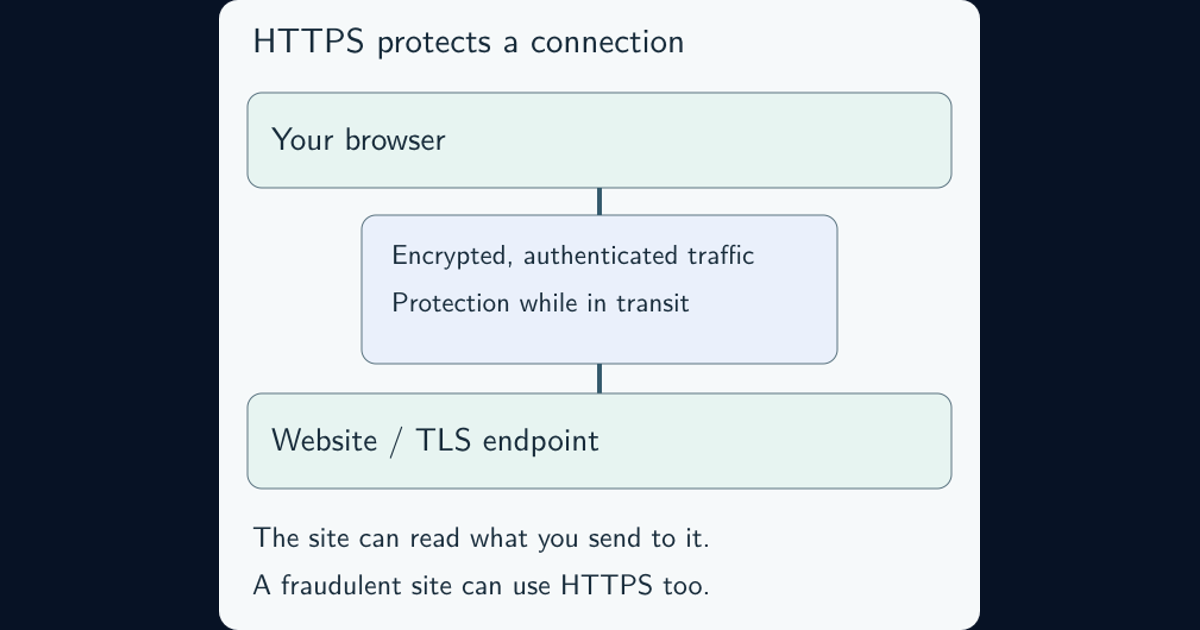
HTTPS protects your connection, but a valid certificate does not make a website trustworthy. Learn what is encrypted, what remains visible, and when to stop.
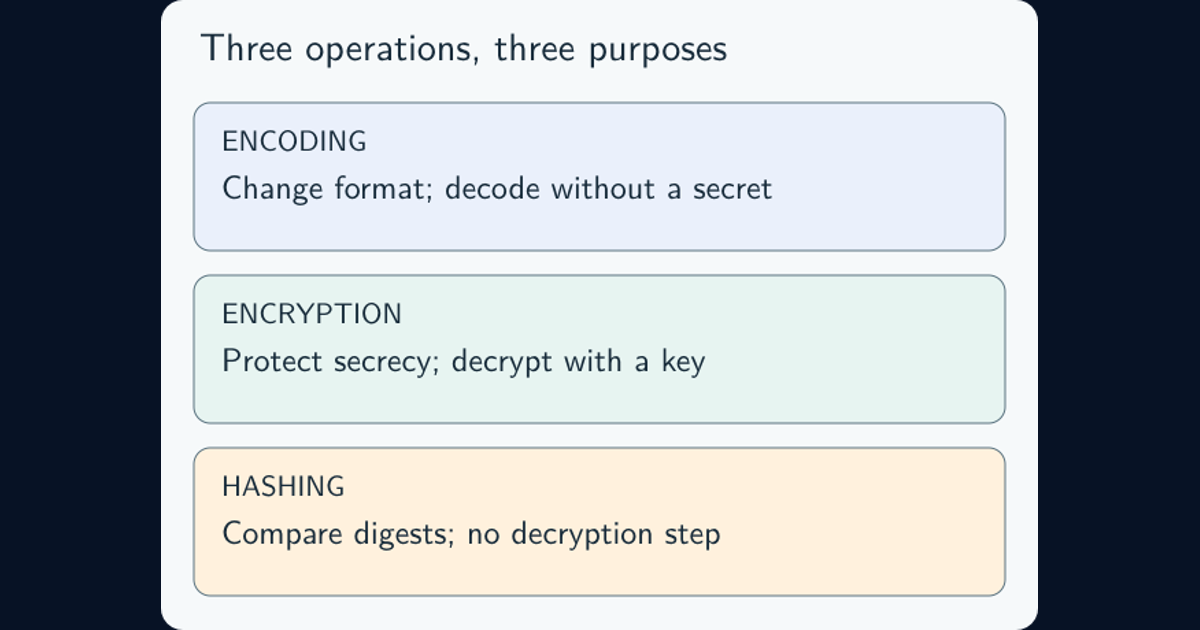
Compare encryption, hashing, and encoding with clear examples. Learn when to use each, why Base64 is not secret, and what password hashes actually protect.
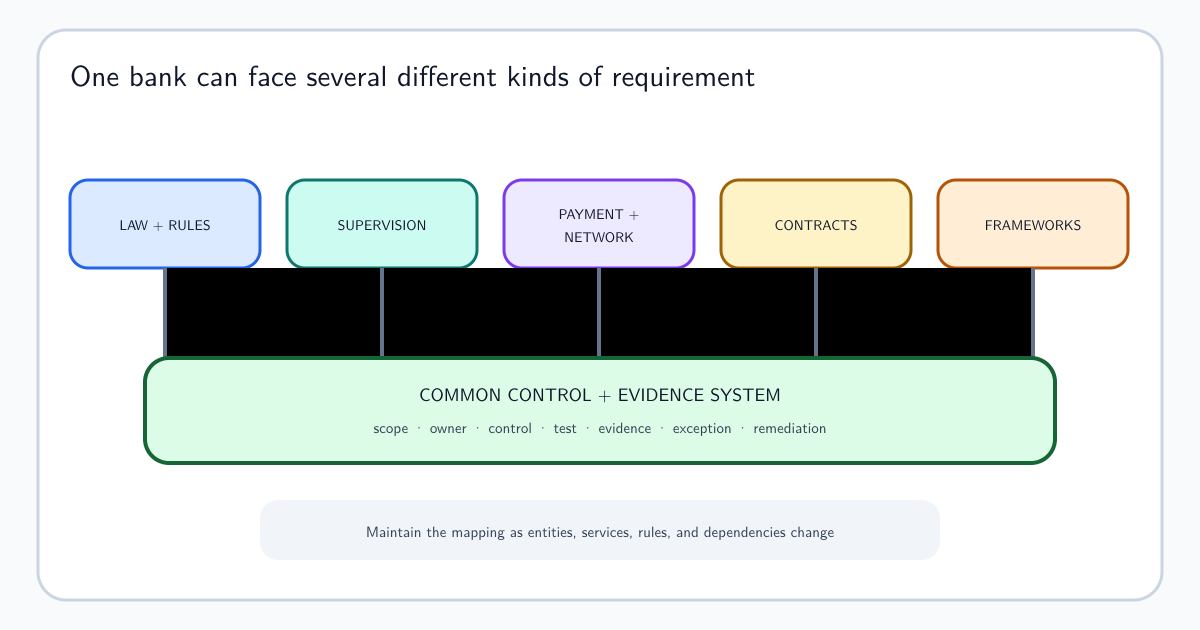
Map banking cybersecurity standards across regulation, supervision, payments, resilience, third parties, incidents, testing, controls, and evidence.