Cyber Campaign Design: Connecting Ends, Ways, Means, and Effects
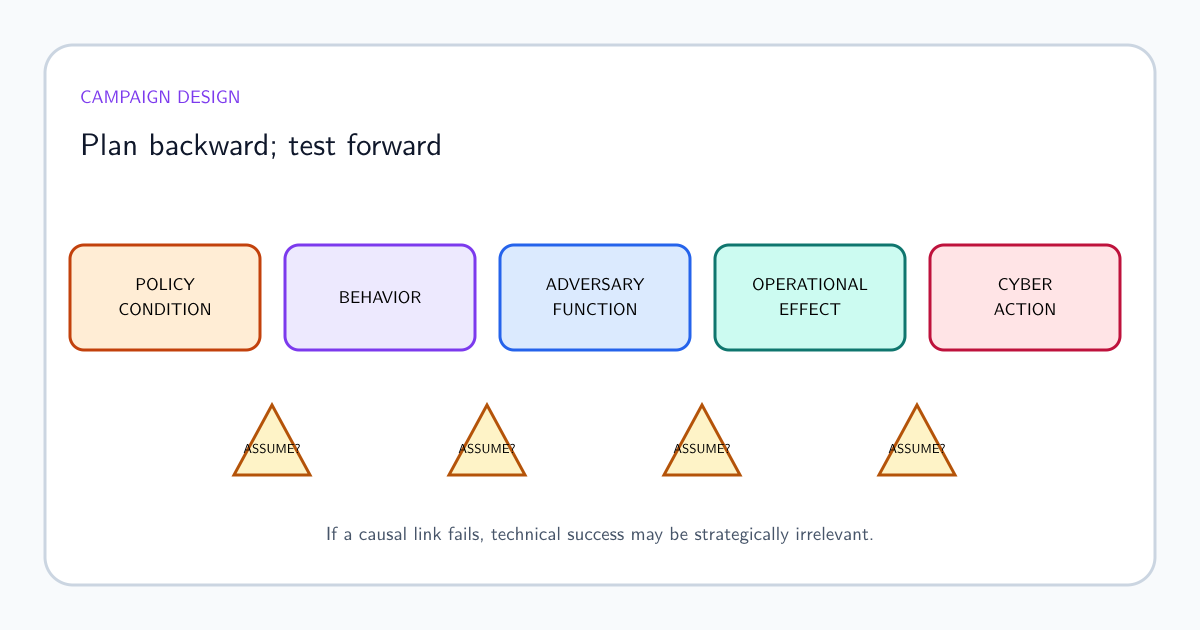
Build defensible cyber campaign concepts by connecting policy aims to behavior, operational functions, effects, authorities, intelligence, risk, assessment, and termination.
Professional analysis of state power, military operations, intelligence, effects, law, and conflict in and through cyberspace.
21 resources
Build defensible cyber campaign concepts by connecting policy aims to behavior, operational functions, effects, authorities, intelligence, risk, assessment, and termination.
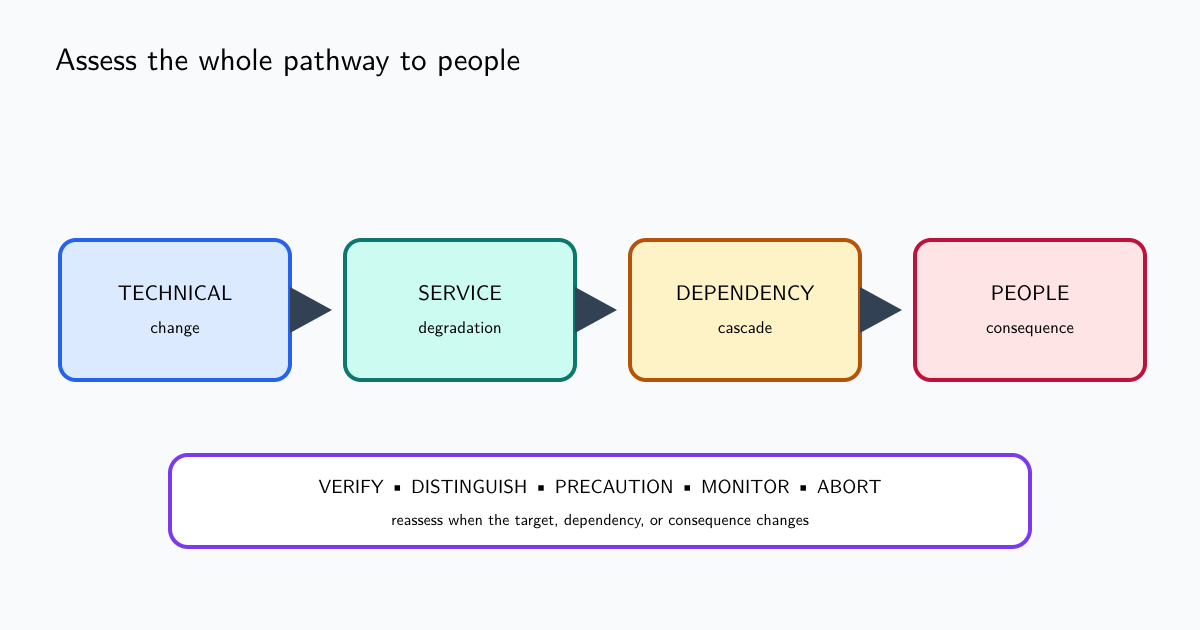
Trace cyber effects through shared systems and essential services, identify civilian consequences, and build precautions, monitoring, and stop conditions into operational design.
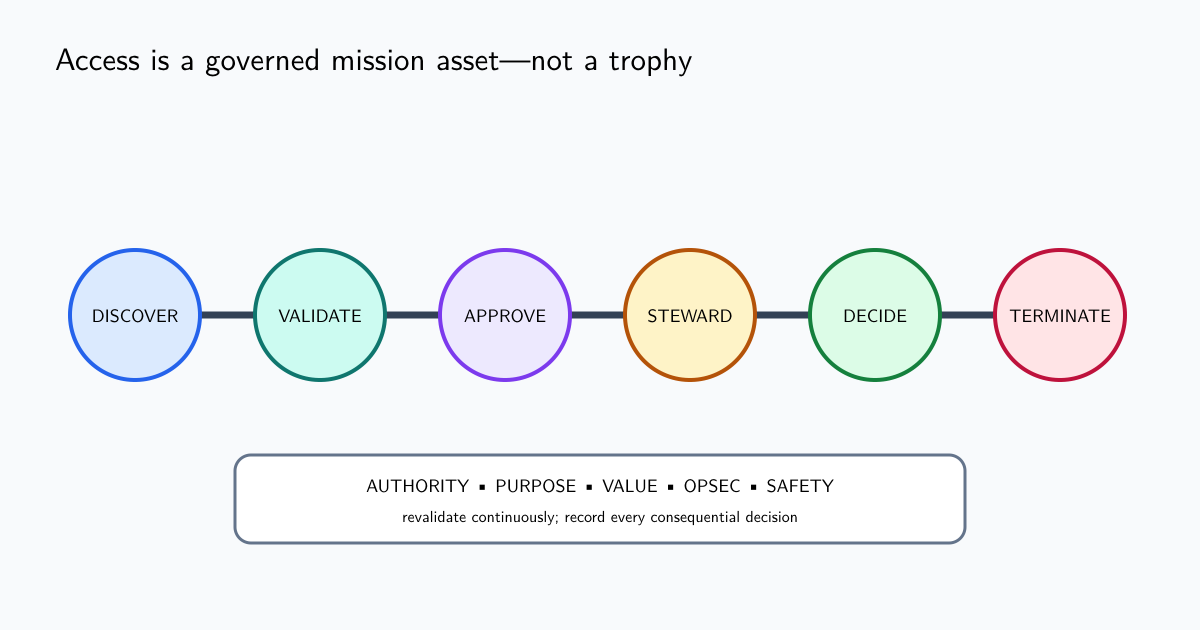
Govern authorized cyber access as a scarce mission asset through purpose, authority, intelligence gain-loss, OPSEC, safety, deconfliction, and termination decisions.
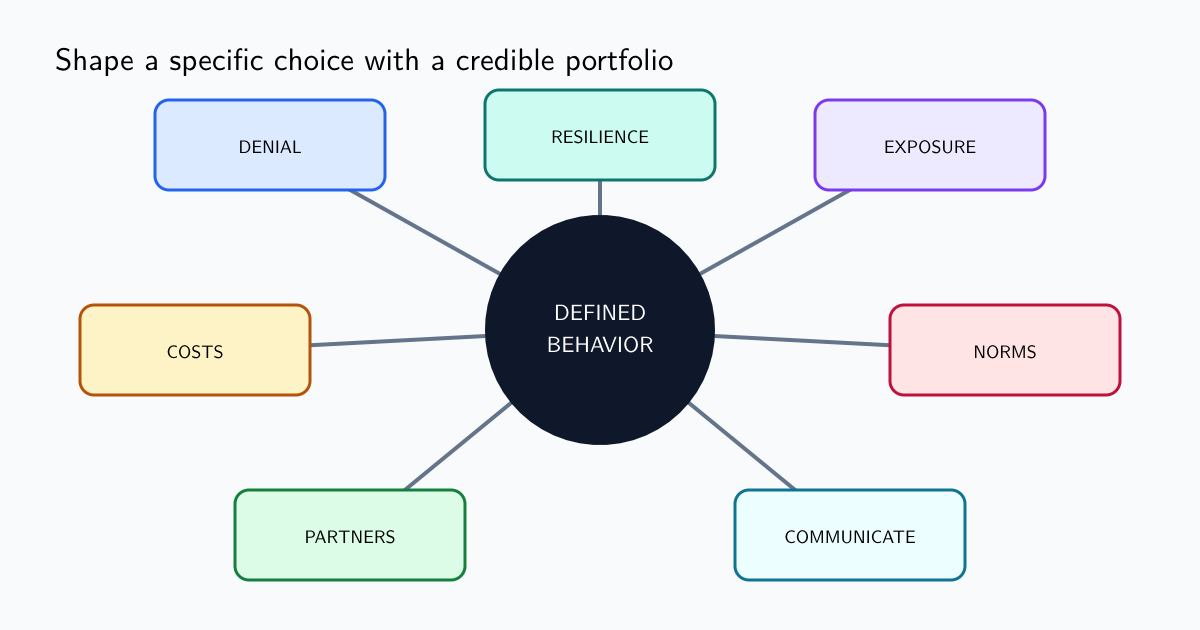
Design cyber deterrence as a behavior-specific portfolio of denial, resilience, exposure, law enforcement, diplomacy, costs, partnerships, and communication.
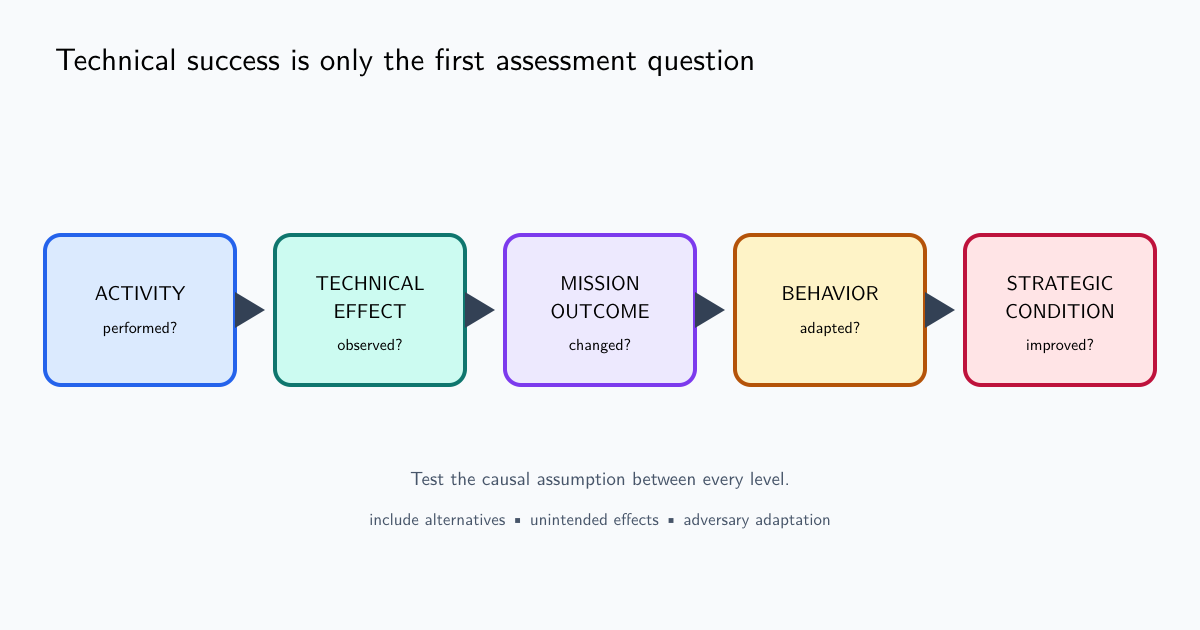
Measure whether cyber activity changed systems, missions, behavior, and strategy using causal chains, baselines, counterfactuals, indicators, and independent challenge.
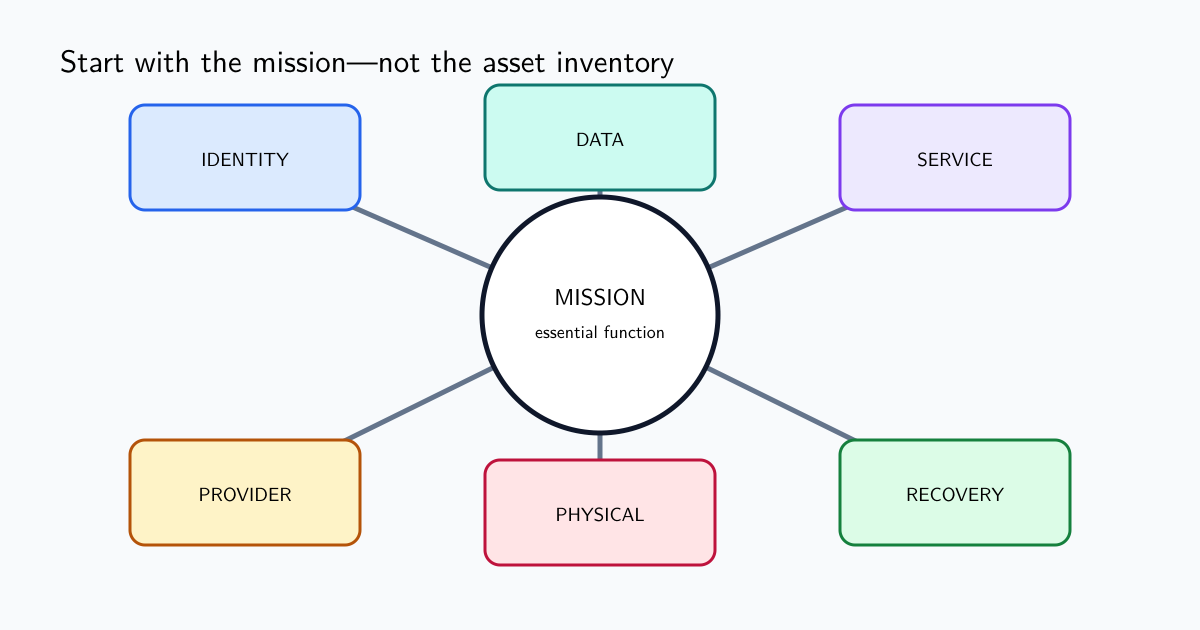
Identify the identities, data, services, control points, providers, and recovery paths whose control creates decisive mission advantage.
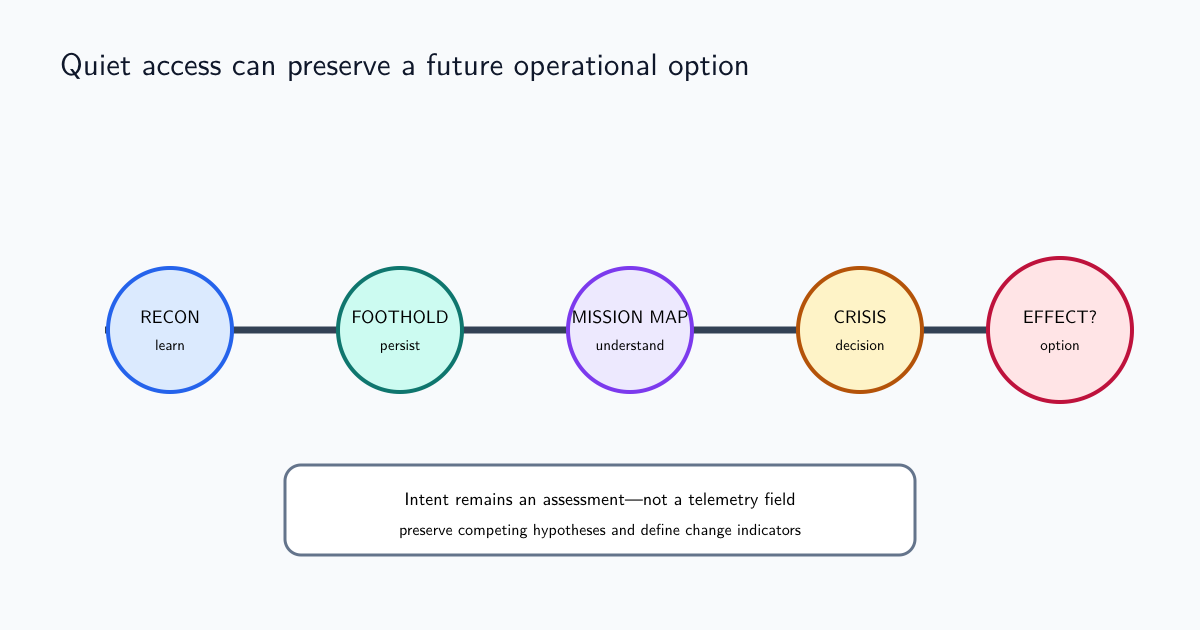
Understand how states establish durable access before a crisis, distinguish pre-positioning from espionage, and turn weak signals into proportionate defensive action.
Build decision-led intelligence requirements, indicators, collection plans, thresholds, and warning judgments for cyber crisis and conflict.
Analyze the full influence chain from intrusion and content selection through laundering, amplification, audience effects, attribution, and trust-preserving response.
An evidence-led history and current assessment of the Iran–United States cyber conflict, including espionage, industrial disruption, critical-infrastructure operations, cloud strikes, cybe...