Detection Metrics Without Vanity Numbers
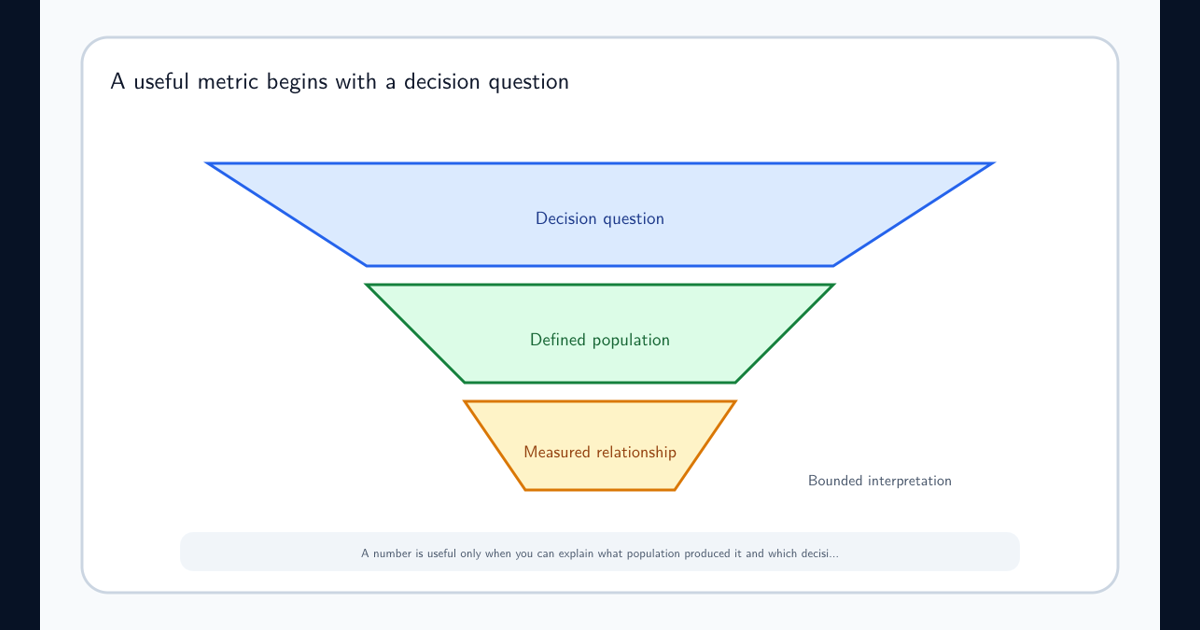
Use detection metrics to answer operational and security questions with defined populations, denominators, time windows, and uncertainty instead of celebrating activity counts.
Practical guidance for detection engineering decisions and defensible security work.
65 resources
Use detection metrics to answer operational and security questions with defined populations, denominators, time windows, and uncertainty instead of celebrating activity counts.
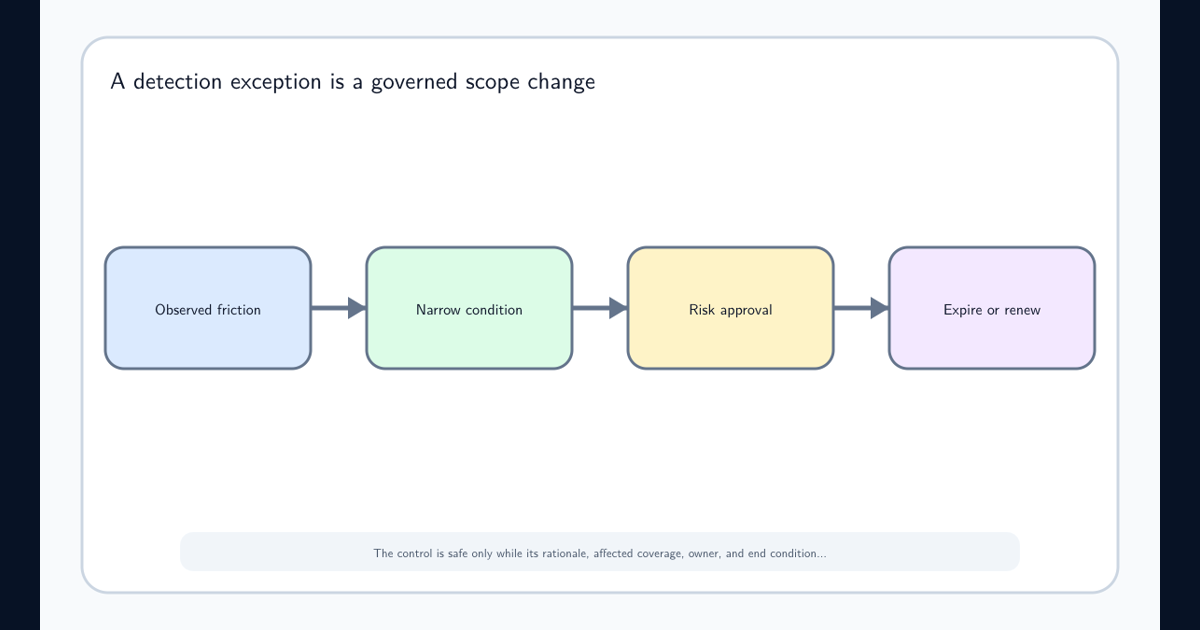
Govern exceptions, suppressions, and allowlists as expiring changes to detection scope, with evidence, ownership, review, and visible residual risk.
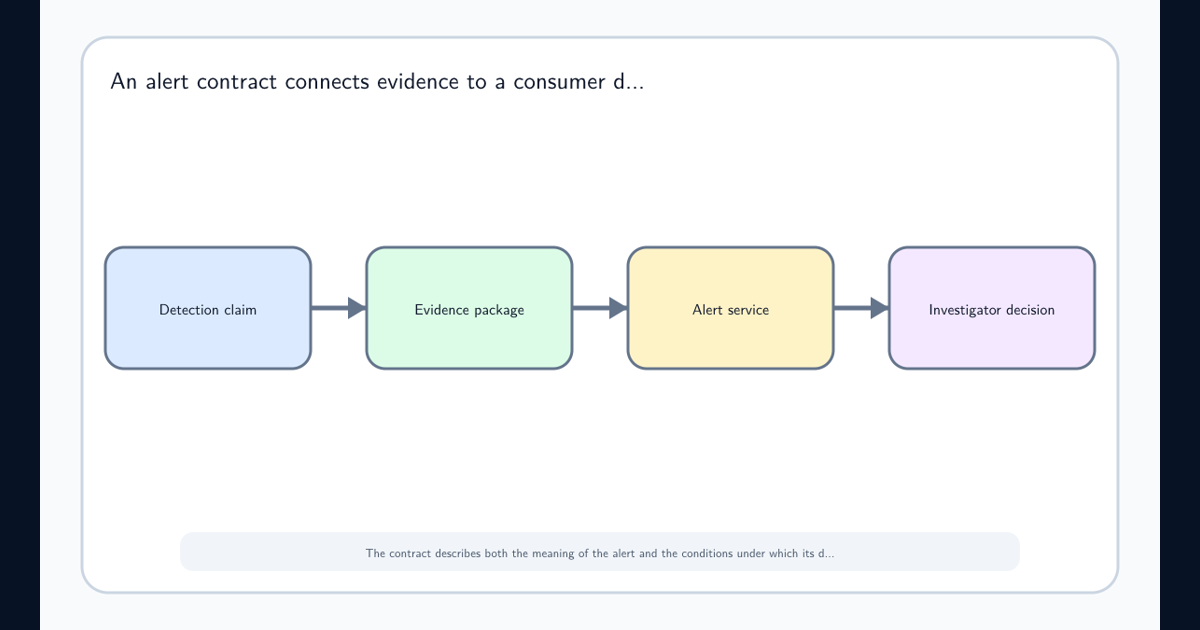
Define the evidence, reasoning, context, ownership, and service behavior an alert must provide before asking an investigator to make a decision.
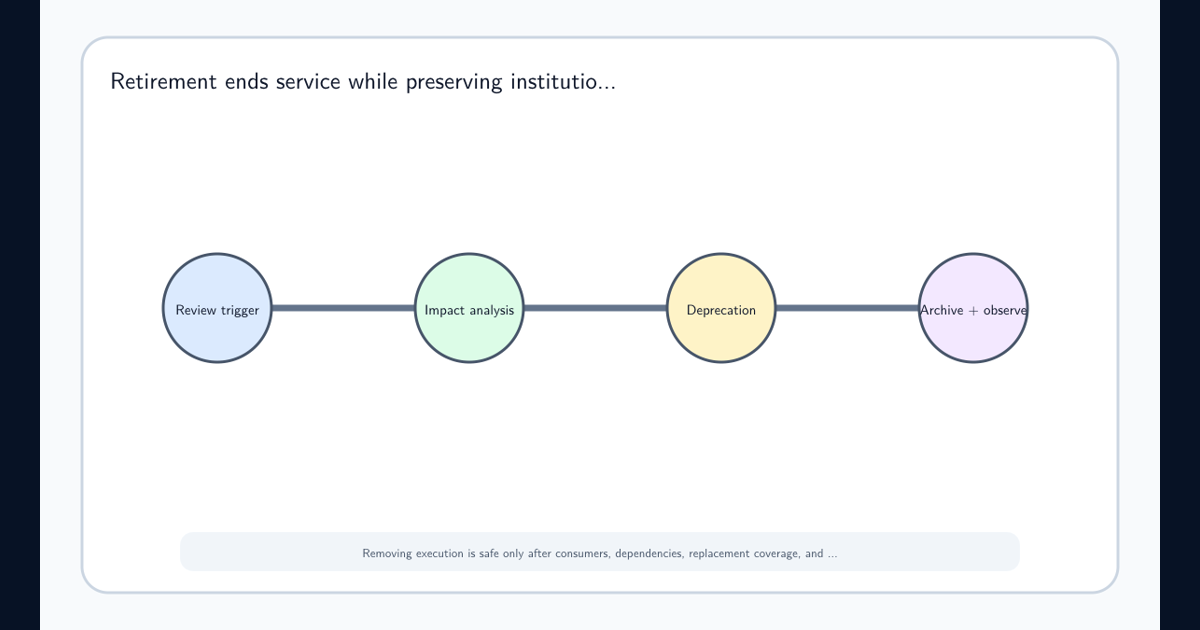
Retire detections when their claim, evidence, platform, or consumer need has ended, while preserving lineage and proving that no silent coverage gap remains.
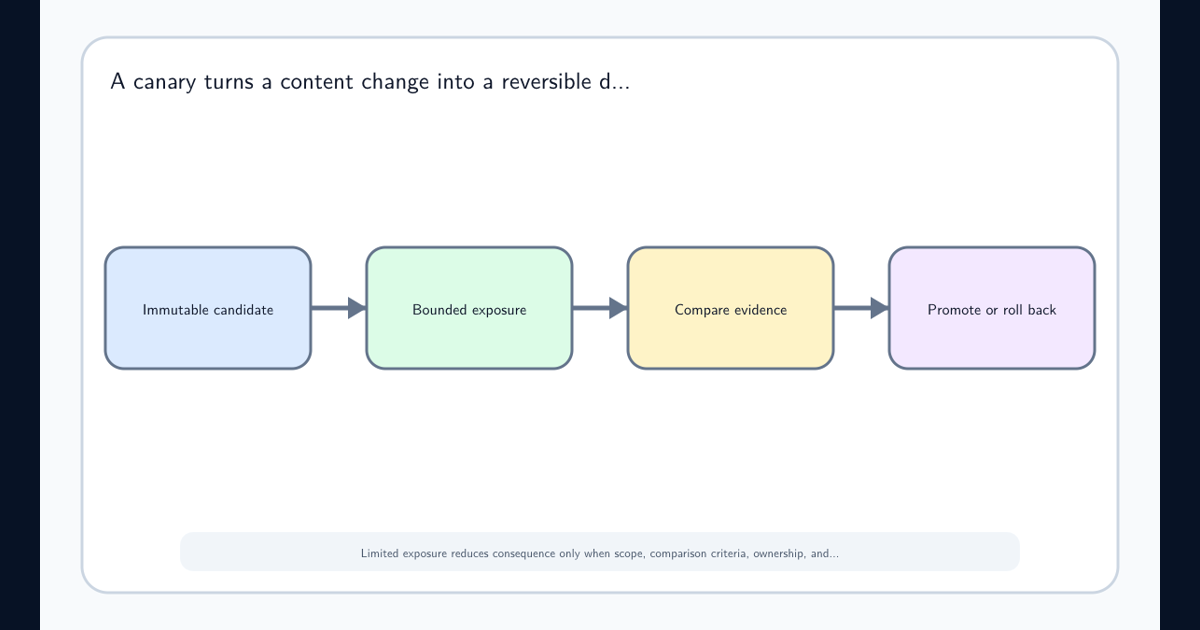
Introduce detection changes to a bounded population, compare them with a known baseline, and preserve a rollback path that restores service rather than merely restoring a file.
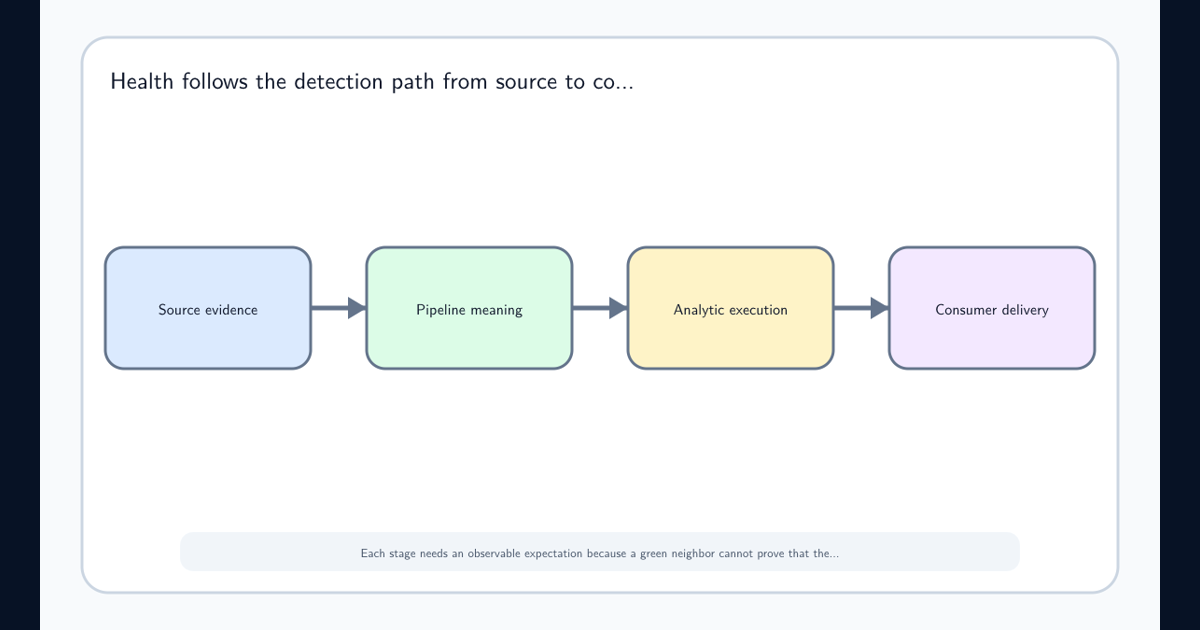
Detect when a detection service stops observing, interpreting, or delivering expected evidence—even though no explicit platform error appears.
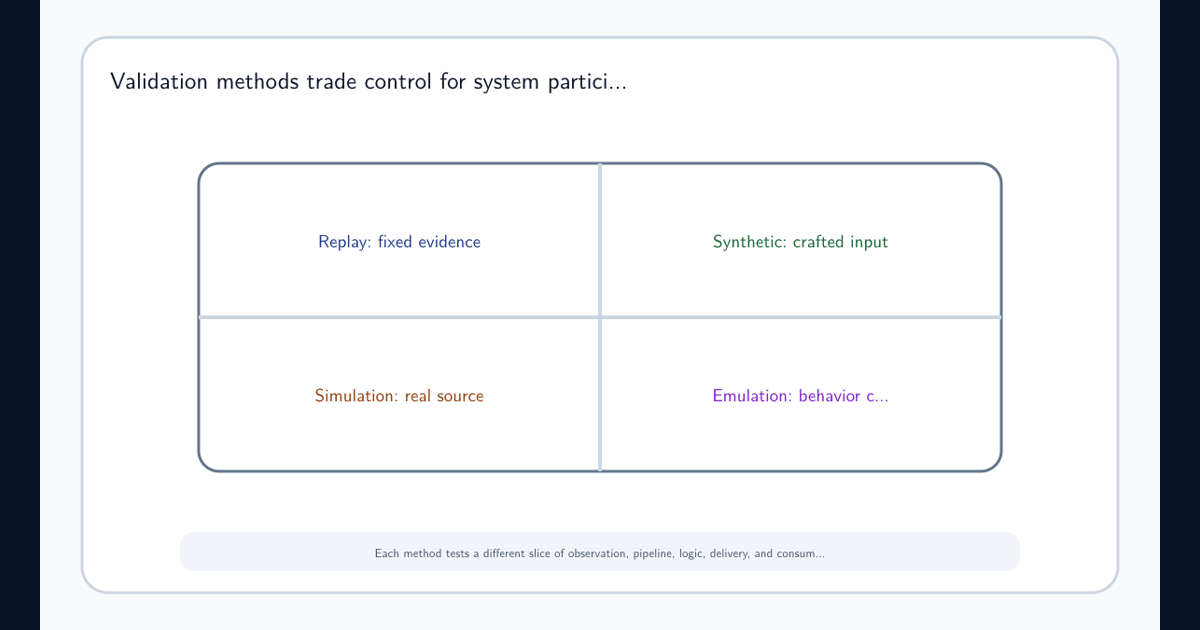
Choose replay, synthetic telemetry, simulation, or emulation by the assumptions you need to test, recognizing what each method introduces, bypasses, and can safely prove.
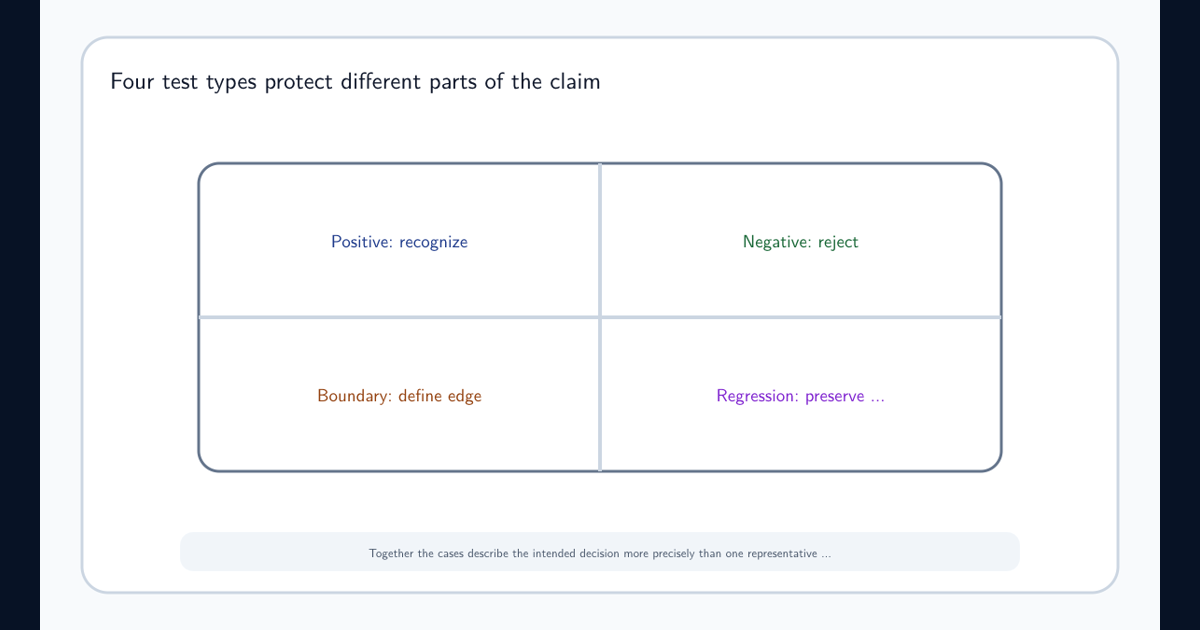
Use positive, negative, boundary, and regression tests to define what a detection should recognize, reject, do at exact edges, and continue doing after change.
Build confidence through many fast semantic tests, fewer integration tests, and carefully governed end-to-end scenarios, with each layer proving only the assumptions it actually exercises.
Model shared telemetry, mappings, components, filters, converters, schemas, deployment targets, and delivery routes as a versioned dependency graph that can be tested and packaged with detec...