Identity & Access Security
OAuth Device Code Phishing: Detection and Response
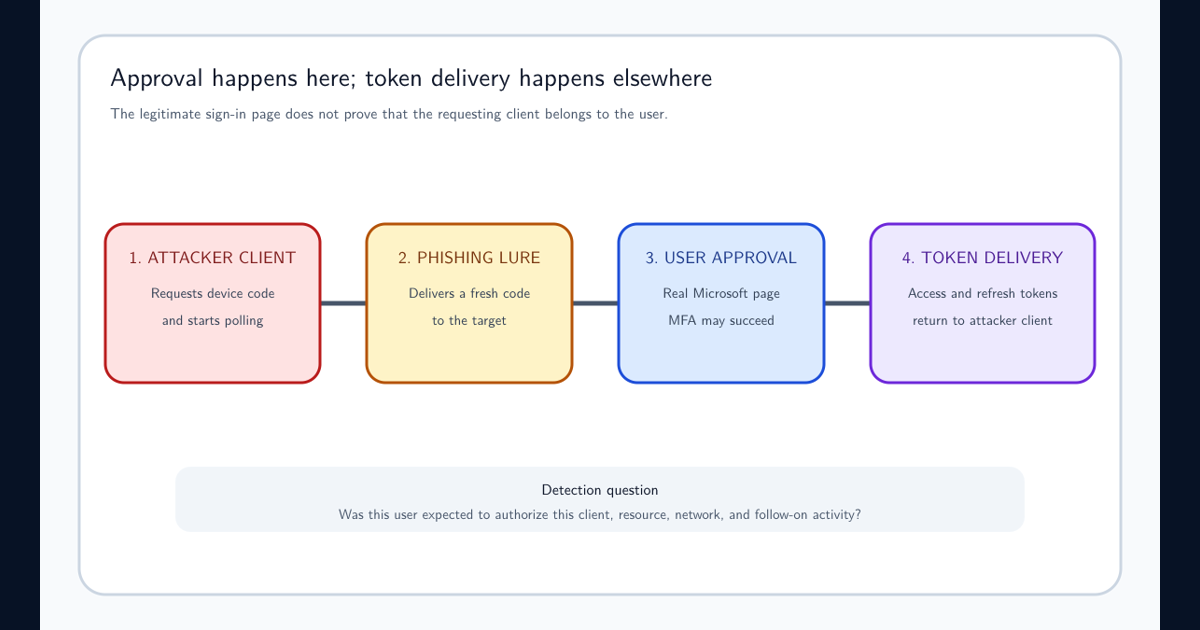
Detect OAuth device code phishing in Microsoft Entra ID using sign-in evidence, KQL correlation, containment steps, and staged Conditional Access.
Practical guidance for identity, authentication, authorization, and accountable access.
9 resources
Detect OAuth device code phishing in Microsoft Entra ID using sign-in evidence, KQL correlation, containment steps, and staged Conditional Access.
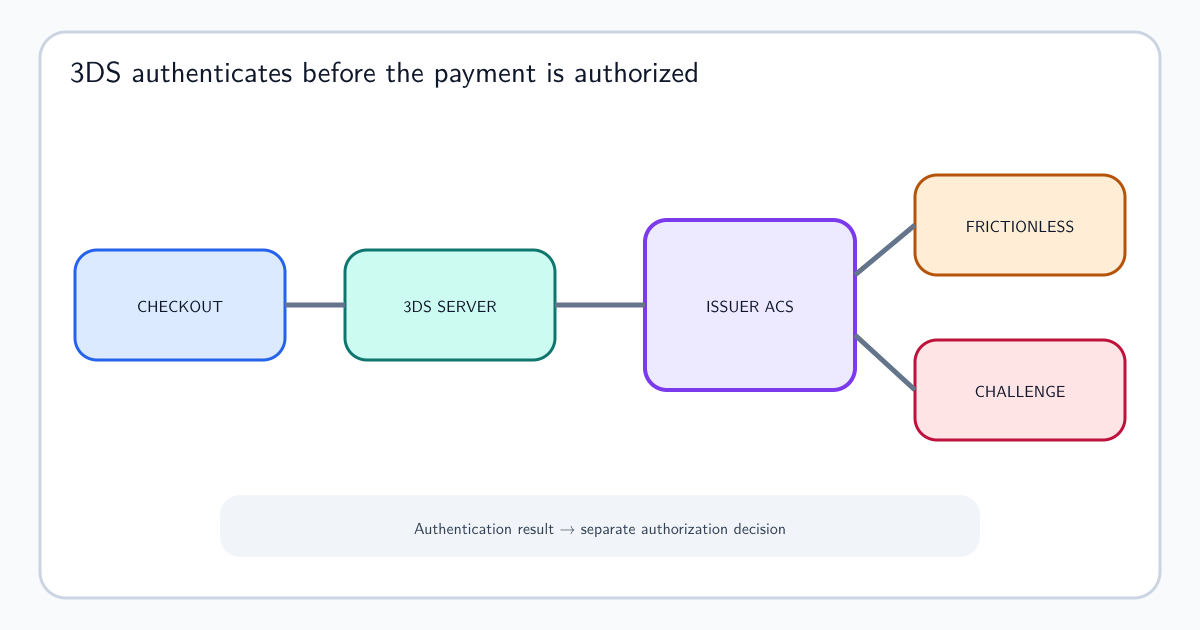
Learn how EMV 3-D Secure authenticates card-not-present payments, how frictionless and challenge flows work, and what 3DS can and cannot prevent.
Use unique credentials safely, protect password vaults, recognize credential stuffing, and respond proportionately when passwords may be exposed.
Understand delegated access, consent grants, scopes, tokens, connected-app risk, and the evidence needed to investigate or revoke access safely.
Understand how identities prove who they are, receive permissions, and carry reusable authority through sessions.
Understand how infostealers collect valuable access artifacts and how defenders contain, scope, and recover from exposure.
Compare authentication factors, recovery paths, and operational controls that resist phishing and help-desk abuse.
Learn how sessions are created, stolen, replayed, detected, revoked, and investigated across browsers and cloud services.
Correlate Windows sign-in, Kerberos, NTLM, and local session evidence across identity and endpoint systems.