Phishing-Resistant MFA and Secure Account Recovery
Compare authentication factors, recovery paths, and operational controls that resist phishing and help-desk abuse.
MFA strength depends on the attack path
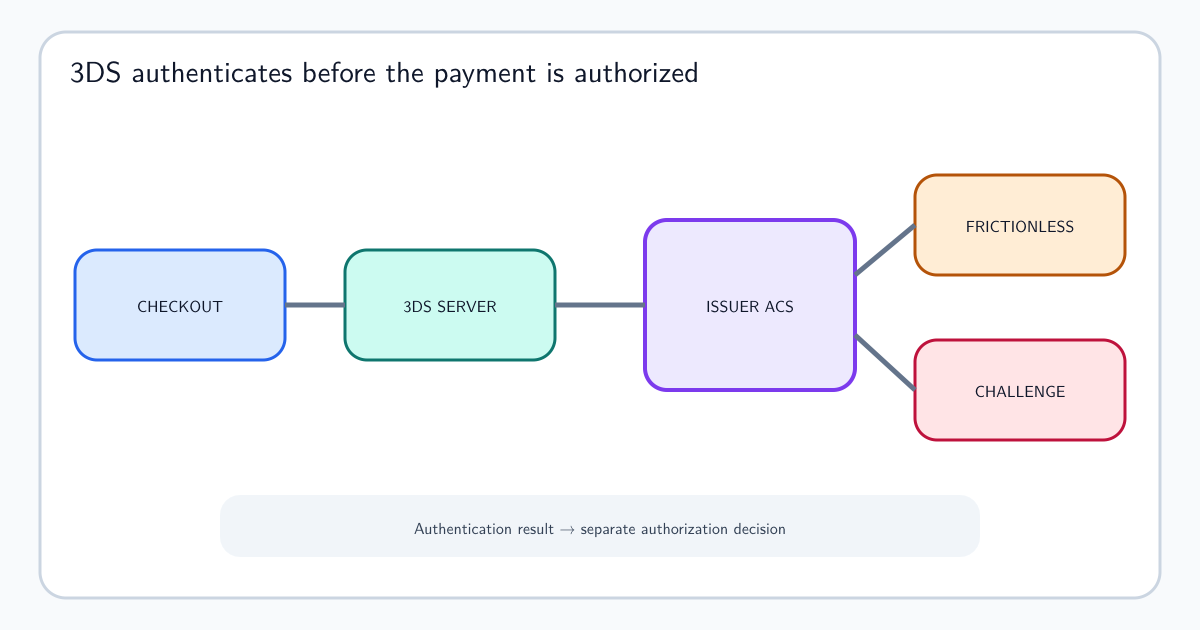
Multi-factor authentication reduces risk only when the factors fail independently. Codes, push approvals, phone calls, and passwords can all be captured or socially engineered. Evaluate the real attack path, including enrollment, synchronization, recovery, remembered devices, and support processes. This distinction also matters in 3-D Secure payment challenges, where a completed code or app approval is evidence for one transaction but not proof that the cardholder was free from deception.
“MFA enabled” is therefore an inventory fact, not a complete security assessment. Ask which factors are allowed for each privilege level, whether a password and code can be relayed through the same fake site, how new factors are enrolled, and what happens when a user loses a device. Administrators, email accounts, password vaults, and identity-management roles deserve the most resistant methods because compromise of one can create or reset many other identities. In regulated financial environments, map the exact population, method, exception, test, and evidence to the applicable banking cybersecurity standards rather than treating an enabled flag as proof of compliance.
Prefer verifier-bound authentication
Passkeys and hardware security keys can bind authentication to the legitimate service and resist credential replay. Deployment still needs device-loss procedures, supported platforms, user education, and a fallback that does not quietly restore a phishable route.
Verifier binding means the authenticator participates only for the expected service identity, which changes the phishing problem from “can the user spot the fake page?” to “will the authenticator create a valid proof for it?” That protection can be weakened by fallback to SMS, typed codes, or an easily manipulated help desk. Pilot with real user journeys: first enrollment, a second device, device replacement, travel, offline work, and loss. Record exceptions and expire them instead of leaving a permanent weaker route.
Treat recovery as authentication
Account recovery is another way to prove identity. Require evidence proportionate to the account’s privilege, notify the account owner through a known channel, and log changes to factors and recovery details. Knowledge available from public records should not be enough to recover sensitive access.
A safe recovery flow separates the requester from the decision. It uses pre-established evidence, rate limits attempts, alerts existing channels, and delays or independently reviews high-impact changes. Security questions based on birthdays, addresses, or family details are weak because the answers may be public, breached, guessed, or coerced. Recovery codes should be treated as credentials: generated securely, stored separately, shown sparingly, and invalidated after use or regeneration.
Protect operational exceptions
Emergency accounts and help-desk overrides need narrow authority, strong monitoring, expiry, and independent approval. Test them before an incident, but do not let the exception become the everyday route. Identity-focused cloud threat intelligence should include these administrative paths.
Help-desk staff need a script for pressure scenarios: refuse to use information supplied only by the caller, open the case in the official system, follow the documented evidence threshold, and escalate rather than improvise. A claimed executive emergency raises consequence; it does not lower proof. Measure factor resets, recovery-channel changes, exception use, and subsequent privileged activity. Review clusters by operator, requester, time, and target role for abuse or process drift.
Respond to factor compromise
After suspected compromise, revoke active sessions, remove unauthorized factors, rotate exposed secrets, inspect delegated grants, and review sensitive actions. Restore access through a trusted device and known channel. Record what was changed so response teams can distinguish remediation from adversary activity.
Sequence matters. First protect an independent communication route and trusted device; otherwise replacement credentials may be captured immediately. Then contain sessions and grants, preserve relevant identity and application logs, correct recovery paths, and examine downstream resources from the earliest plausible compromise time. Do not close the case merely because the user can sign in again. Confirm that attacker-created forwarding rules, application consents, API keys, devices, and delegated administrators have been removed.