mTLS Certificate Rotation Without Outages
mTLS certificate rotation without outages requires dependency mapping, overlapping trust, protected keys, staged rollout, expiry monitoring, and rollback.
Start with the outage: which handshake assumption failed?
mTLS certificate rotation without outages begins by separating failure classes: certificate expired or not yet valid, chain not trusted, hostname or subject mismatch, client certificate not requested, private key mismatch, unsupported algorithm, proxy stripped identity, revocation behavior, or application mapping rejected the new certificate.
RFC 5280 defines X.509 validity and path validation. “The certificate was installed” proves none of the peer, chain, key, mapping, or route behavior required for a successful handshake.
Draw the certificate dependency map before issuing anything
Inventory client and server identities, issuing CA and intermediates, trust stores, certificate selectors, SAN or DN mapping, load balancers, service meshes, proxies, token endpoints, resource servers, keystores, deployment owners, clocks, renewal automation, and emergency paths.
For OAuth mTLS, RFC 8705 distinguishes client authentication from certificate-bound tokens. Rotation can require new tokens, and TLS termination must securely convey certificate identity to applications.
Design a two-sided rotation with a finite overlap
Issue the new certificate and private key through secrets management, verify chain and key match, add new trust before presenting the new identity, then migrate a canary. During overlap, accept both identities but prefer the new one; monitor old usage until it reaches zero or an explained residual.
Set explicit dates for issuance, trust addition, canary, broad rollout, old-use freeze, retirement, revocation, and rollback expiry. Indefinite dual trust turns a migration aid into permanent credential expansion.
Make every handshake answer “which certificate?”
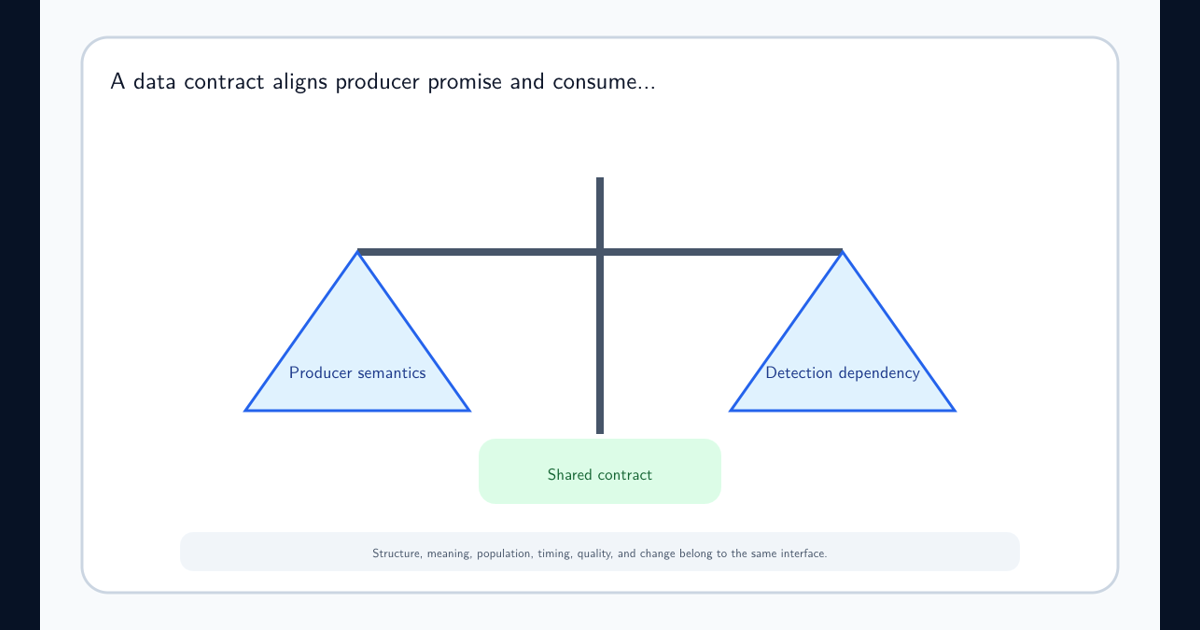
Define security telemetry data contracts for peer role, certificate fingerprint, serial, issuer, SAN or mapped identity, not-before, not-after, chain result, protocol and cipher, endpoint, proxy hop, application authorization result, token binding, and error reason. Avoid logging private keys or full sensitive subject data unnecessarily.
Track days to expiry, issuance-to-deployment time, new-certificate adoption, old-certificate residuals, handshake failures by reason, clock skew, revocation failures, and token-binding mismatches.
Rollback presentation without undoing safe trust
If failures rise, stop rollout and restore old presentation while retaining new trust, unless the old credential is compromised. Preserve handshake traces and deployment evidence; identify the failing peer population. Security incidents require revocation and accelerated migration, while compatibility incidents allow bounded rollback.
Rehearse expiry while the old certificate still works
Next step: choose one non-production client-server pair. Issue a new certificate, add trust, canary new presentation, obtain a fresh bound token if applicable, verify telemetry, retire old trust, and execute rollback once. Use an isolated test PKI; never simulate expiry by changing production clocks.
Frequently asked questions
Why is overlap important during mTLS rotation?
Clients and servers rarely update simultaneously. A bounded period accepting old and new trust lets each side migrate without a handshake outage.
Does rotating an mTLS certificate affect certificate-bound OAuth tokens?
It can. RFC 8705 binds tokens to a particular client certificate, so clients normally need new tokens after changing certificates.