Third-Party Vulnerability Exposure: How to Decide Which Supplier Risk Is Urgent
Move from a supplier vulnerability headline to an evidence-based decision using dependency, access, data, exploit activity, controls, and recovery options.
A vulnerability at a supplier is not automatically your emergency, and a supplier marked “low risk” can still create a critical path into your operations. The decision depends on the service you consume, technical and identity access, data, business dependency, exploit evidence, supplier controls, and your ability to contain or recover.
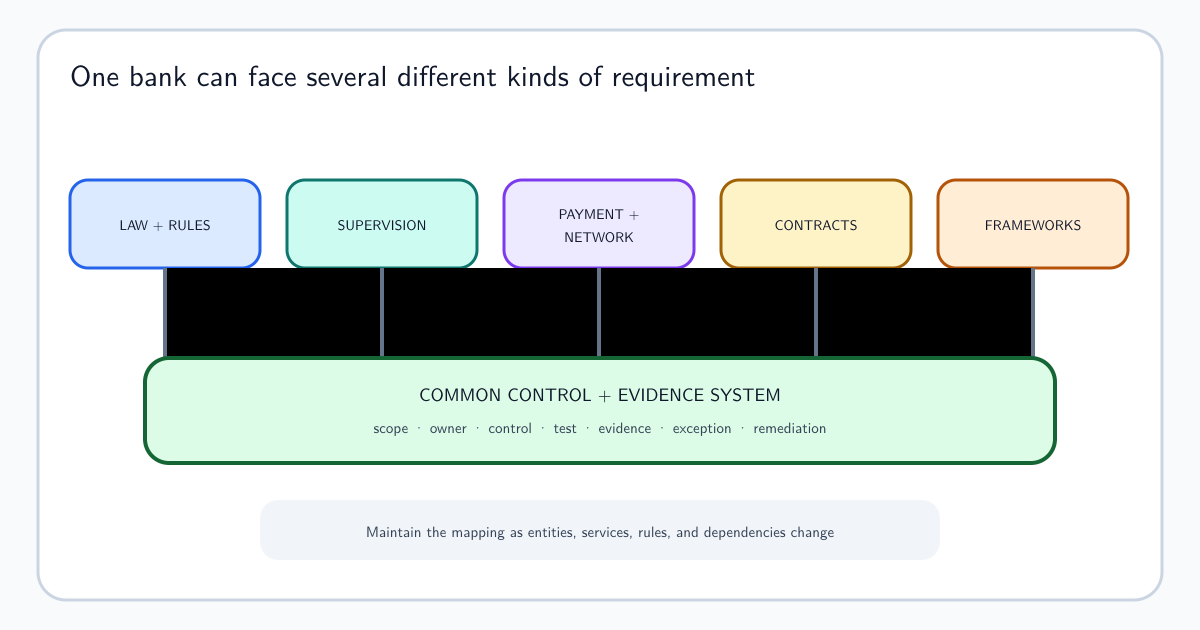
Open a case when reporting is credible and the dependency could be material. Name an internal service owner; procurement alone cannot determine technical exposure. Financial institutions can place that supplier decision inside the wider banking cybersecurity standards map, which separates regulatory, supervisory, payment-network, contractual, and framework obligations.
Map the Actual Dependency Path
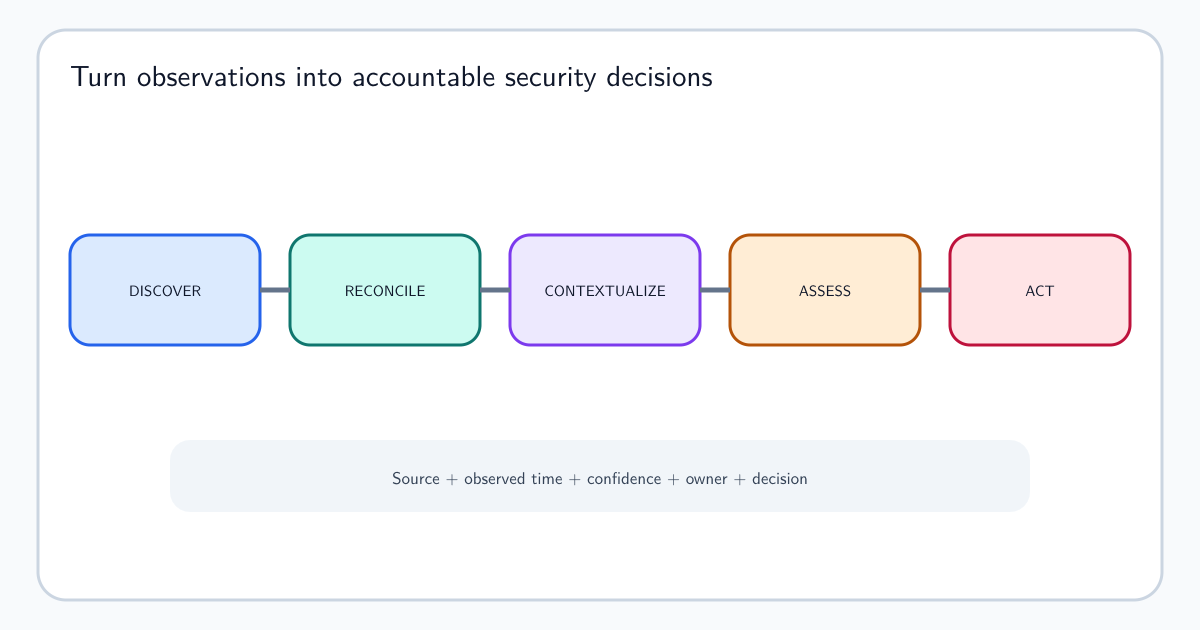
Identify product or service, affected component and version, tenant or region, integration, privileged identities, network connection, stored or processed data, update channel, and processes that fail if the supplier is unavailable. Include subcontractors where known. Maintain these relationships through cybersecurity asset intelligence so supplier services, identities, data, internal owners, and last-verified evidence can be queried together.
Mark confirmed, not affected, potentially affected, and unknown. An unanswered supplier ticket is uncertainty, not evidence of safety.
Ask for Decision Evidence
Request affected scope, exposure window, exploitation status, compromise assessment, controls, remediation plan, validation, monitoring, notification commitment, and residual risk. Adapt questions to your dependency rather than sending a generic questionnaire.
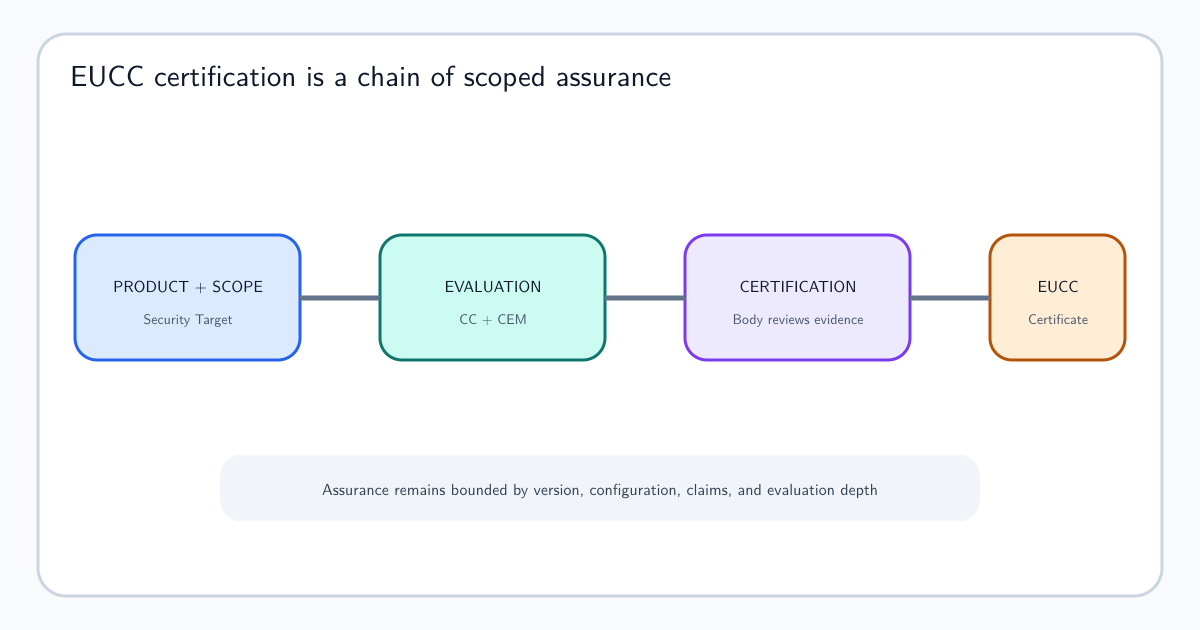
Corroborate vendor statements with authoritative advisories, your configuration, access logs, identity activity, network observations, and service behavior where permitted. When a supplier cites European product certification, verify the exact product, version, configuration, assurance level, and status using the EUCC certification scope and process rather than treating a logo as supplier-wide assurance.
Choose a Proportionate Internal Action
Options include monitoring, credential rotation, token revocation, access restriction, integration disablement, data-flow change, contingency activation, supplier escalation, or temporary isolation. Weigh business interruption and reversibility.
Track the supplier fix and verify your side. Use the threat relevance test to communicate why the external report matters. After closure, update contract, inventory, logging, and exit assumptions exposed by the event.
Frequently asked questions
Is a vendor list enough to assess exposure?
No. Map specific services, products, versions, data, identities, network access, business processes, and downstream dependencies.
Should a supplier statement close the issue?
Treat it as evidence, then check scope, affected service, dates, validation, residual risk, and your own observable exposure.
Should every supplier have the same notification deadline?
No. Requirements should reflect access, consequence, service criticality, and incident or vulnerability severity.
Does an SBOM solve third-party vulnerability exposure?
It can improve component visibility but does not by itself establish deployment, reachability, exploitability, or business consequence.
When should a supplier be isolated or replaced?
Consider it when exposure and consequence are high, controls or transparency are inadequate, recovery is uncertain, and safer alternatives are feasible.