DNSSEC Validation Failure: Troubleshooting Guide
DNSSEC validation failure troubleshooting traces resolver state, delegation, DNSKEY and DS records, signatures, time, algorithms, caching, and safe recovery.
Start with the validator state, not a generic DNS error
DNSSEC validation failure troubleshooting distinguishes Secure, Insecure, Bogus, and Indeterminate results. A signed chain that validates is Secure; an intentionally unsigned branch can be Insecure; broken signatures or chain data can be Bogus. These states are not interchangeable with “domain exists.”
RFC 9364 identifies DNSSEC origin authentication as Best Current Practice. Under RFC 4035, a validating resolver normally returns a server failure when signatures cannot be validated rather than serving untrusted data.
Capture the same query from several controlled vantage points
Record query name, type, class, resolver, transport, response code, AD and CD flags, Extended DNS Error, answer, authority, DNSKEY, DS, RRSIG, NSEC or NSEC3, TTLs, and capture time. Query the enterprise resolver, a controlled validating resolver, and authoritative servers directly.
Follow the resolution path described in DNS investigations. Different answers may reflect cache age, anycast instance, split horizon, DNS interception, or rollout state. Preserve raw responses rather than screenshots.
Walk from the trust anchor toward the failing record
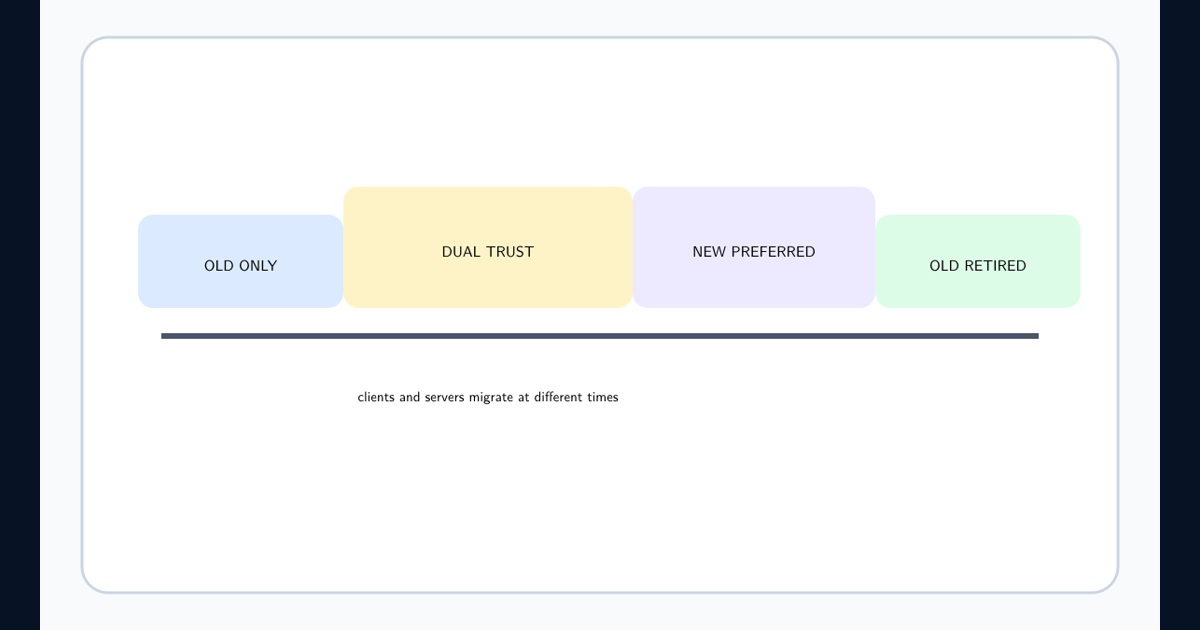
Verify resolver time and trust-anchor state. Then compare the parent DS with the child DNSKEY key tag, algorithm, and digest; confirm the signing key is published; inspect RRSIG inception and expiration; verify the covered RRset; and check denial-of-existence records. During key rollover, ensure old and new data overlap long enough for caches.
RFC 8914 Extended DNS Errors defines useful signals including DNSSEC Indeterminate, DNSSEC Bogus, Signature Expired, Signature Not Yet Valid, DNSKEY Missing, and RRSIGs Missing. Treat the code as resolver evidence, then verify the authoritative chain.
Repair authoritative data and let caches converge safely
Correct the first broken link: publish the right DNSKEY, update the registrar DS, re-sign expired zones, restore missing signatures, fix clocks, or repair rollover sequencing. Confirm from multiple validating resolvers and wait for relevant TTLs before declaring recovery.
Do not disable validation globally. If policy permits an emergency negative trust anchor, scope it to the affected name, set the shortest justified lifetime, document owner and reason, monitor authoritative repair, and remove it promptly. An exception restores availability by temporarily removing validation, not by fixing authenticity.
Monitor expiry, chain changes, and validator disagreement
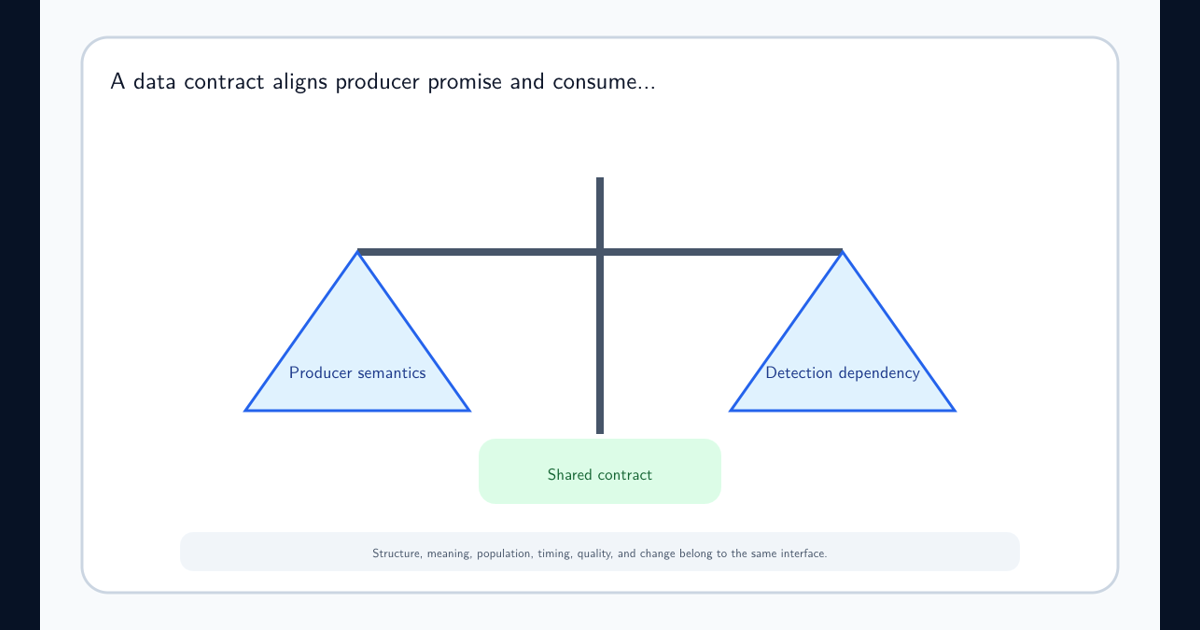
Alert before RRSIG expiry, on DS or DNSKEY changes, validation-failure rate, Extended DNS Error distribution, trust-anchor problems, and disagreement between independent validators. Define fields through security telemetry data contracts.
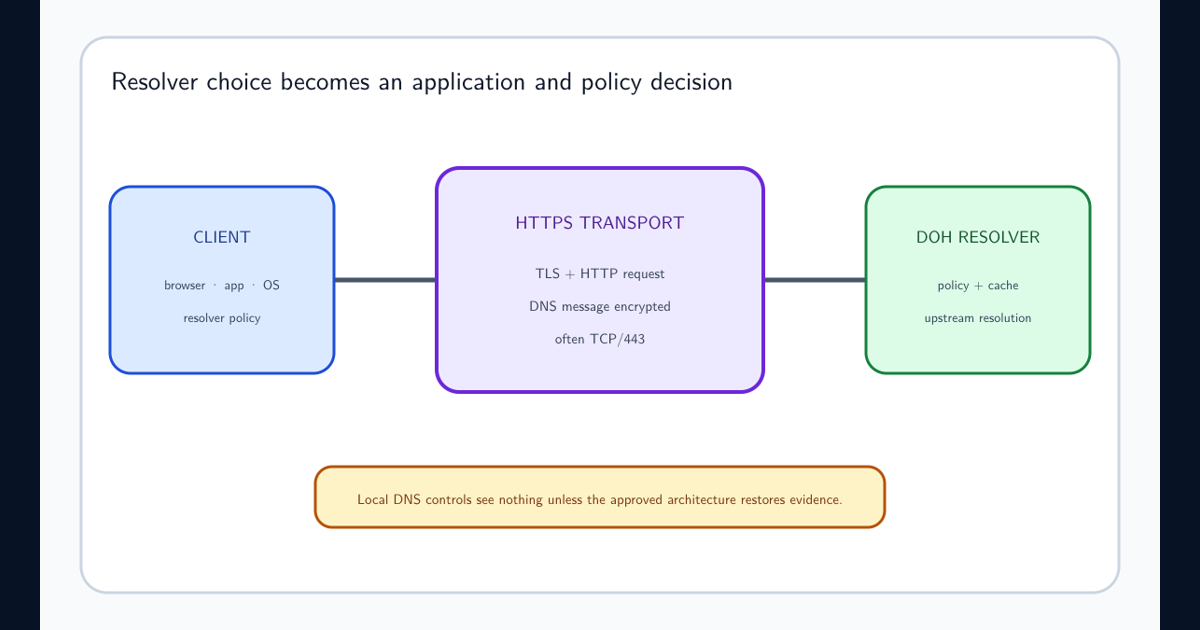
Account for DNS over HTTPS visibility: endpoints using unmanaged resolvers may observe failures that enterprise resolver telemetry never sees.
Trace one signed domain before an outage
Next step: choose a non-critical signed domain. Capture its DS, DNSKEY, RRSIG, denial records, TTLs, and validation state from two resolvers; document owner and rollover timing; then rehearse an expired-signature scenario in a lab zone.
Keep simulated failure data labeled and isolated. Never break a production delegation merely to test monitoring.
Frequently asked questions
Does SERVFAIL always mean DNSSEC failed?
No. SERVFAIL has several causes. Extended DNS Errors, resolver logs, and comparison with validation disabled can identify a DNSSEC-related failure.
Should validation be disabled to restore a broken domain?
Not globally. Repair the authoritative chain. A narrowly scoped, time-bounded negative trust anchor may be an emergency measure under explicit policy and monitoring.