SaaS Audit Logs: Visibility Boundaries and Detection Pitfalls
Reason from SaaS audit records without assuming that a vendor’s event catalog, retention tier, actor field, or successful response provides complete security visibility.
A SaaS audit log is a product-specific account of activity
Software-as-a-service providers decide which actions create events, which fields they expose, how quickly records appear, and how long they remain available. An event is therefore an observation made by that service under its current product contract.
Similar labels do not guarantee similar meaning. “Login,” “share,” or “admin change” can represent different stages and actors across products. Read the vendor schema, then confirm it with local evidence and version history.
Do not infer that an unlisted action is impossible or that an absent event proves no activity occurred. Describe the boundary before designing the analytic.
Identity fields can hide delegation and service action
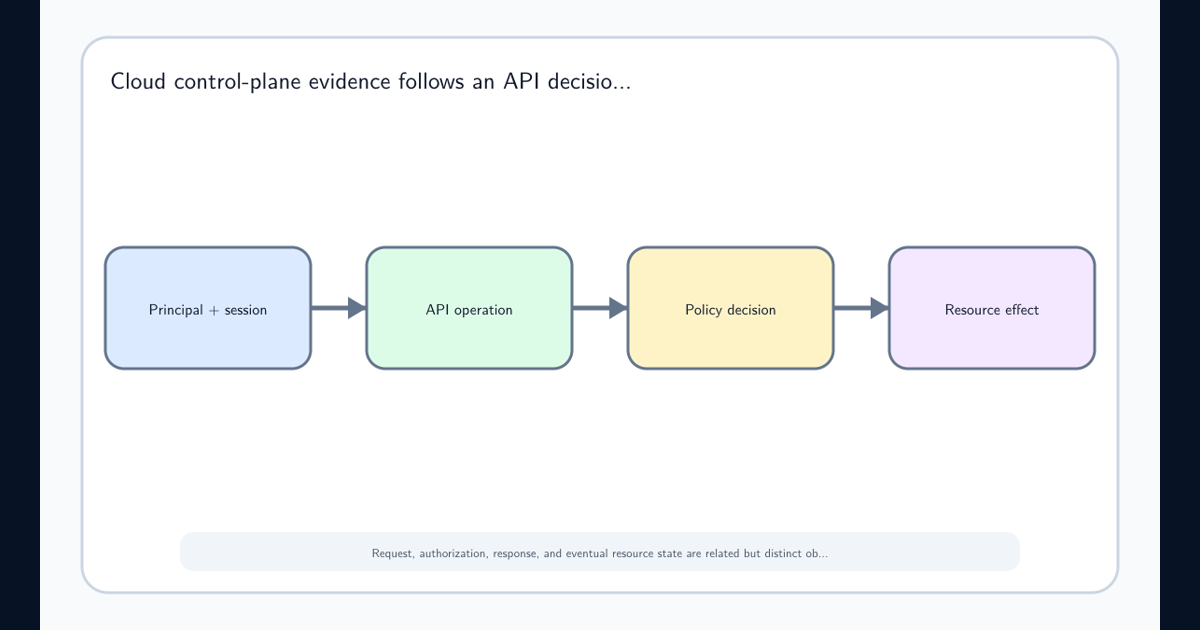
A SaaS record may name a user, administrator, application, service account, delegated actor, or system process. One field called actor can conceal several roles. Preserve the authenticated subject, effective actor, client, session, target, tenant, and delegation relationship where available.
System-generated actions can follow a user decision without carrying that user through every record. Conversely, an application may act across many users under one grant. Attribution requires sequence and authorization context.
Entity resolution should include tenant and time. Email addresses, display names, and recycled identifiers are not globally stable identities.
License, configuration, and retention alter evidence
Some event classes, historical depth, API access, or near-real-time delivery depend on product tier and configuration. Administrative UI history may differ from export APIs. Backfills can arrive in a different order or omit fields present in live streams.
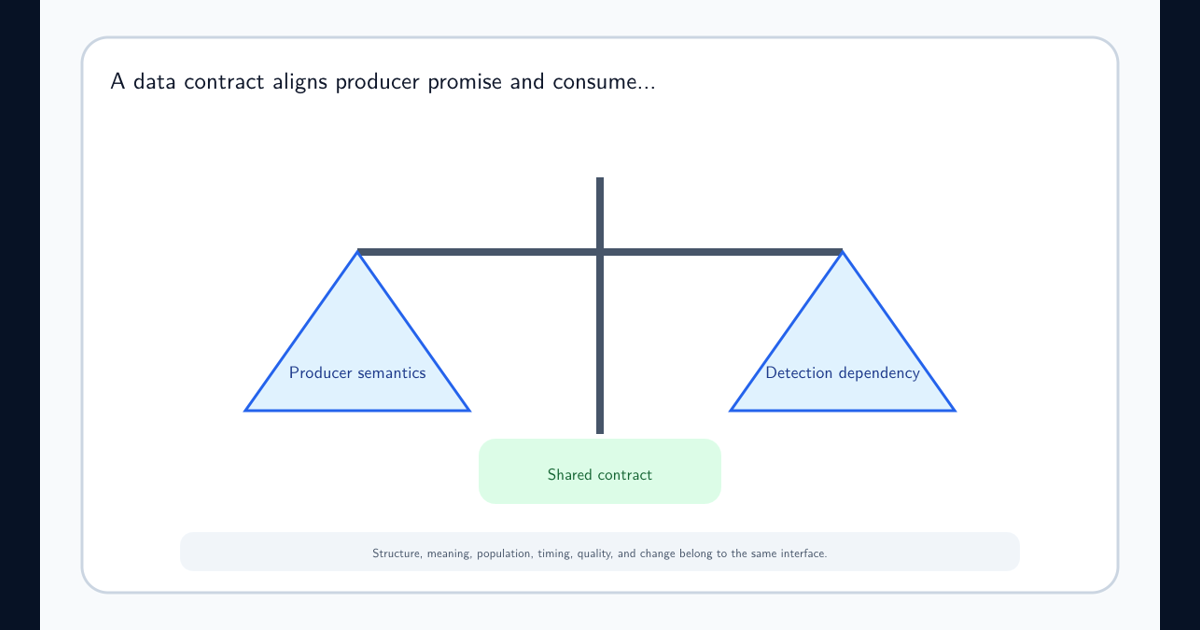
Document these conditions in data contracts. Track event class, source endpoint, pagination, rate limits, cursor behavior, timestamp meaning, retention, and known omissions.
When a license or setting changes, treat it as a detection-impacting change. Existing rules can continue to execute against an increasingly incomplete population.
SaaS detections need business context without blind trust
High-value hypotheses often concern unusual grants, mailbox rules, sharing changes, administrative delegation, mass access, workflow manipulation, or disabled controls. Their meaning depends on ownership, collaboration patterns, application inventory, and approved automation.
An allowlisted application can be compromised, and a normal administrator can use authority harmfully. Use context to compare behavior, not to erase it. Preserve changes from the entity’s prior pattern and from the approved purpose.
Correlate across products cautiously. Different clocks, identity namespaces, and event delays can create a sequence that never occurred. State exact and inferred links separately.
Health must detect partial and silent loss
Monitor tenant coverage, event types, latest event time, ingestion and event time lag, pagination completion, rate-limit responses, duplicates, schema drift, unknown enum values, and field population. Compare expected administrative or control activity with observed records.
A connector success only proves the request completed. It may have retrieved an empty, truncated, or stale page. Validate cursors, counts, and representative events independently.
When visibility degrades, name the affected product, tenant, event class, and interval. Facts show the source condition; assessment explains which detection claims weaken; uncertainty acknowledges events that may be delayed or permanently unavailable.
Backfill needs separate treatment. Late records can repair historical visibility while arriving too late for the original response decision. Mark backfilled evidence, preserve original event time and collection time, and decide whether analytics re-evaluate it. Otherwise restored data can create misleading current alerts or make a past service-level failure disappear from reporting.
Frequently asked questions
Why can two SaaS audit logs with similar event names support different detections?
Vendors differ in event generation, actor and target semantics, licensing, latency, retention, API completeness, and treatment of delegated or system actions. The local data contract must establish what each source actually records.