Cyber-Enabled Influence Operations: Hack-and-Leak, Personas, and Response
Analyze the full influence chain from intrusion and content selection through laundering, amplification, audience effects, attribution, and trust-preserving response.
Model the operation beyond intrusion and exfiltration
A cyber-enabled influence operation uses access, manipulation, release, or disruption to shape perception, choice, legitimacy, cohesion, or decision time. In a hack-and-leak campaign, the intruder selects targets for the stories their information can support. Operators may steal authentic material, alter it, mix it with fabrications, strip context, or time release for maximum political effect.
Map the full chain: target selection, access, collection, curation, authenticity decisions, persona preparation, publication, laundering through intermediaries, amplification, audience segmentation, counter-response, and adaptation. Assign evidence and confidence to every link. Exfiltration telemetry cannot alone prove who selected the documents, controlled a persona, or directed the political objective.
Separate content truth from campaign truth. A document may be authentic while the presented narrative is misleading. A false persona may distribute accurate information. A forged item may be inserted into a larger authentic collection. Professional analysis examines provenance, completeness, alteration, timing, network behavior, sponsor relationship, audience, and intended effect without deciding that undesirable speech is automatically foreign manipulation.
Trace personas, laundering, and amplification networks
Persona analysis asks who created, controlled, supplied, coordinated, or amplified an identity over time. Record account history, language, claimed biography, behavioral consistency, technical artifacts, content sources, posting rhythm, cross-platform migration, and relationships. A persona may be state-operated, contractor-run, volunteer, criminal, automated, hijacked, or an authentic supporter; do not infer control from shared narrative alone.
Laundering moves a claim through apparently independent voices so origin and coordination become less visible. Map first appearance, intermediaries, synchronized reuse, translation, asset clusters, paid placement, media pickup, and feedback to official channels. Distinguish coordinated dissemination from organic adoption. Shared URLs or timing can be leads but require contextual validation.
The EEAS 2026 FIMI Threat Report describes FIMI as an operational ecosystem and maps channels, incidents, infrastructure, and enabling mechanisms. Apply such frameworks transparently: define behavior, evidence, time window, and actor relationship. Avoid political or ideological labeling as a substitute for proof of deceptive coordination.
Integrate incident response, authenticity, and attribution
When a leak appears, preserve volatile and durable evidence before broad remediation. Scope compromised identities, repositories, mailboxes, endpoints, cloud tokens, administrator activity, and exfiltration. Hash acquired material, document provenance, restrict unnecessary redistribution, and preserve originals. Evidence preservation supports both technical investigation and later authenticity decisions.
Build a content-verification cell with incident responders, subject-matter owners, legal counsel, privacy and safety leads, communications, and leadership. Classify items as authentic, altered, fabricated, incomplete, or unresolved. Assess whether confirmation would expose sensitive information or harm affected people. Do not authenticate an entire archive based on one genuine document.
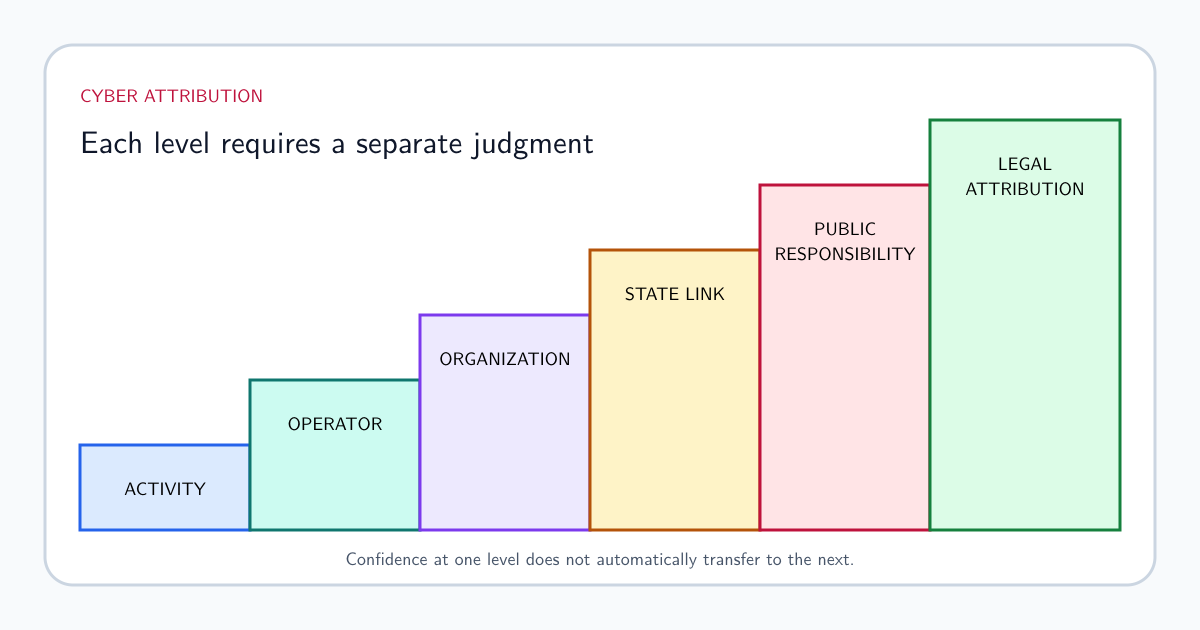
Cyber attribution should layer technical cluster, persona operation, organizational control, state relationship, and public attribution. Confidence may differ at every layer. Coordinate with authorities and partners, but label official claims separately from internal judgments. The DOJ GRU hack-and-leak indictment illustrates how public legal attribution can connect intrusion, personas, release, and influence activity through evidence presented for prosecution.
Communicate for resilient decision space
The response objective is not narrative dominance. It is a decision environment in which people can access authentic information, institutions can act, errors can be corrected, and adversaries cannot cheaply force confusion. Establish a trusted incident page and spokesperson before crisis. Pre-bunk manipulation methods without predicting unsupported details.
Communicate what is known, unknown, being verified, and safe to do. Correct false claims with evidence and context. Avoid repeating sensational framing or linking to sensitive archives merely to deny them. Notify affected people directly where possible. Coordinate technical, legal, operational, and public messages so one team does not compromise investigation or contradict verified facts.
Preserve credibility by acknowledging uncertainty and correcting mistakes visibly. Audience segmentation matters: staff, partners, journalists, customers, policymakers, and vulnerable people need different detail but consistent facts. Exercise forged documents, synthetic audio, impersonated officials, timed outages, and media pressure together. Trust is built before the incident and spent with every unsupported claim.
Measure influence without confusing reach with effect
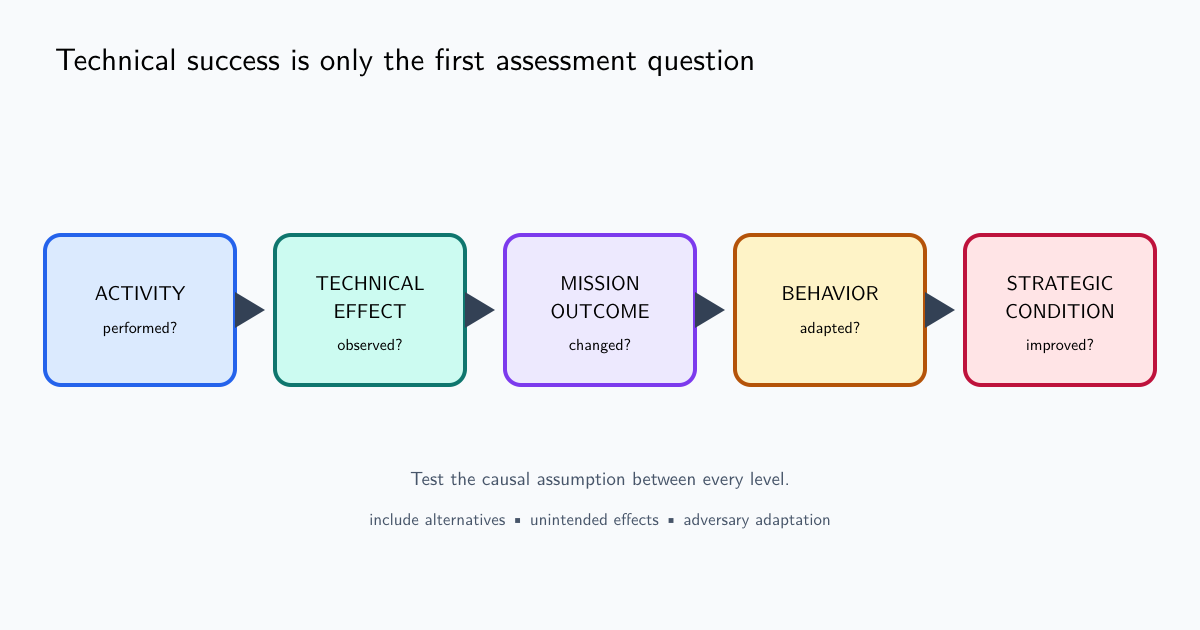
Views, shares, and account counts measure exposure and distribution. They do not prove belief, decision change, polarization, or strategic success. Establish a baseline and use cyber-effects assessment to examine agenda movement, audience belief, institutional delay, behavioral response, trust, coalition cohesion, policy change, and durability. Separate target audiences from incidental observers.
Compare the observed outcome with plausible alternatives: organic controversy, genuine journalism, unrelated political events, platform recommendation changes, official overreaction, or adversary amplification of an existing grievance. Use surveys, search trends, media analysis, network behavior, interviews, decision timelines, and partner reporting with appropriate privacy and methodological caveats.
Assess the response as well. Did communication arrive quickly and accurately? Were corrections adopted? Did public disclosure expose unnecessary data? Did the adversary change persona, topic, channel, or target? Did institutions continue making legitimate decisions? Feed findings into identity protection, incident playbooks, source verification, public communication, and exercises. Success is resilient decision space, not silence.
Frequently asked questions
What is a hack-and-leak operation?
A hack-and-leak operation combines unauthorized access with strategic selection, possible alteration, timed release, laundering, and amplification of information to influence an audience. The objective is usually the interpretation and behavioral effect, not exfiltration alone.
Does authentic leaked material make the campaign truthful?
No. Authentic documents can be selectively framed, stripped of context, mixed with fabrications, or released at manipulative times. Authenticity, completeness, provenance, framing, and campaign purpose require separate assessment.
How should an organization respond to a suspected leak?
Preserve evidence, secure accounts, determine material scope and authenticity, assess affected people, coordinate legal and leadership decisions, communicate what is known and unknown, pre-bunk likely manipulation, correct errors, and avoid amplifying unnecessary sensitive content.
How is influence effect measured?
Measure audience exposure, belief, agenda movement, institutional response, decision delay, behavior, trust, and durability while considering organic discussion, media events, platform changes, and other causes. Views and reposts measure distribution, not strategic effect.