RAG Knowledge Base Poisoning: Detection and Defense
RAG knowledge base poisoning defense traces source authority, ingestion, chunking, embeddings, retrieval, prompt context, citations, outputs, and cleanup.
Follow one document instead of treating “the RAG” as a box
RAG knowledge base poisoning defense begins with a concrete item: who could create or modify it, which collector accepted it, what extractor saw, which chunks were produced, which embedding model and index version stored them, which query retrieved them, and how the model used them.
MITRE ATLAS describes RAG poisoning as malicious content placed in indexed data to contaminate later threads. NIST’s Generative AI Profile distinguishes indirect prompt injection through retrieved content from training-time poisoning. Recovery therefore may require removing documents and rebuilding indexes, not retraining the model.
Put the strongest gate before embedding
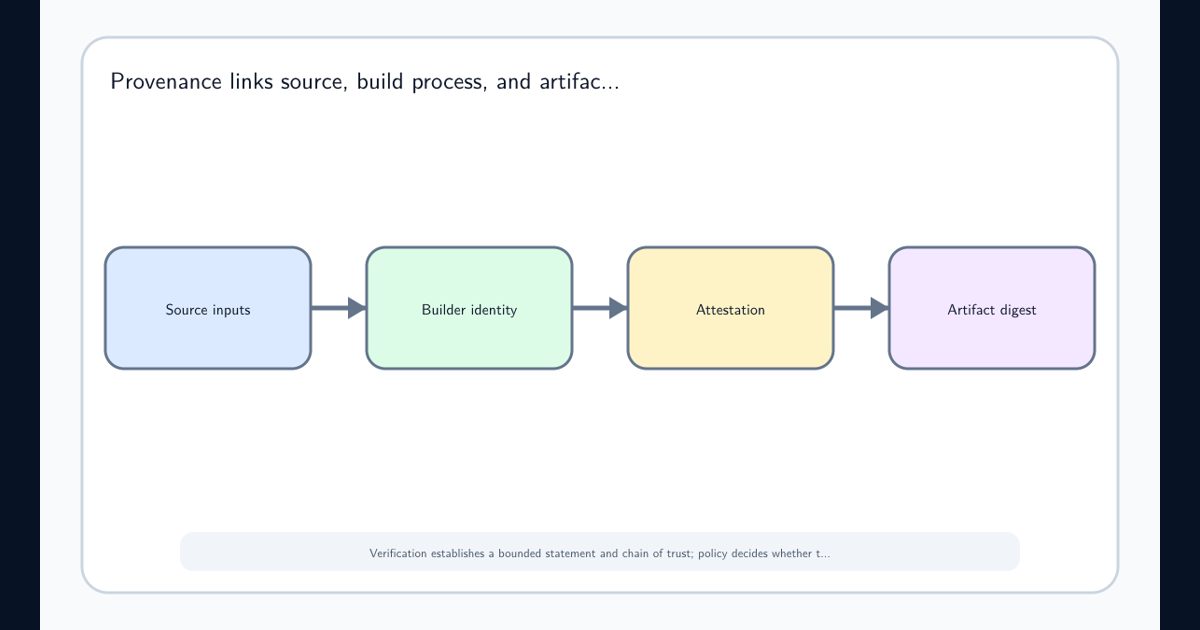
Define approved source types, owners, writers, review requirements, classification, tenant, freshness, and deletion authority. Verify signatures or artifact provenance where available; retain the original digest and extracted text for comparison.
Detect hidden text, suspicious instructions, abrupt topic changes, duplicate high-similarity chunks, unusual link density, and new sources that dominate common queries. Quarantine is safer than silently “cleaning” evidence. A trusted domain does not make every page trustworthy when the publishing account can be compromised.
Ask why this chunk won the retrieval contest
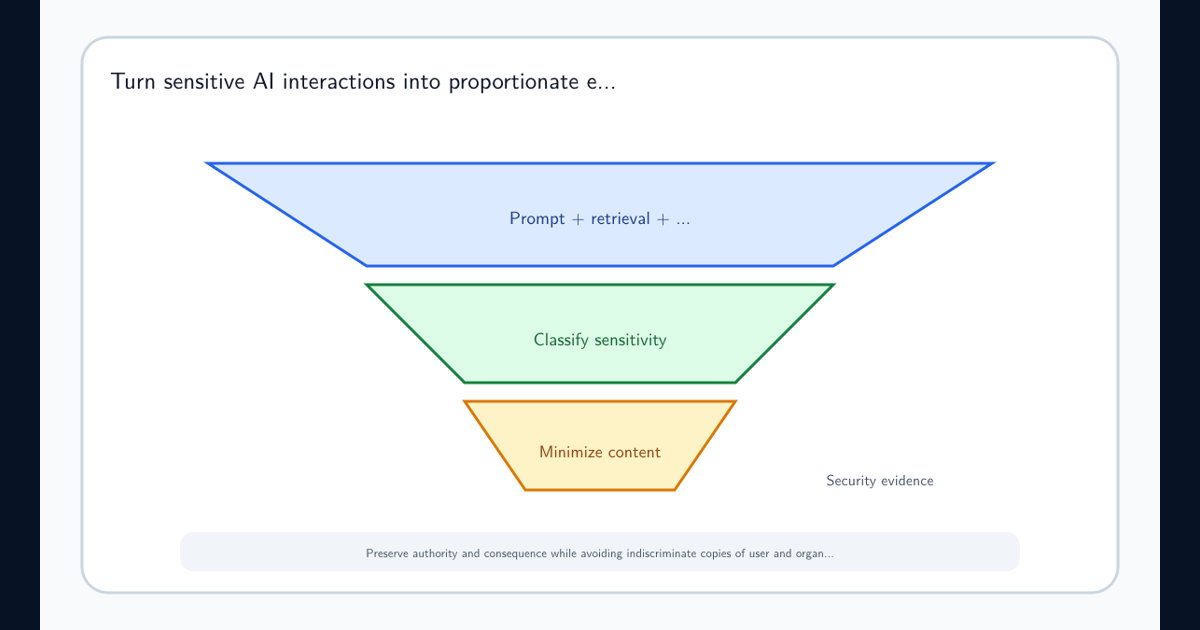
For every consequential answer, log query fingerprint, candidate chunk IDs and scores, filters, reranker version, selected chunks, citation mapping, prompt template version, model version, and output policy decision using privacy-safe AI logging.
Alert when one recent source appears across unrelated questions, a low-trust source outranks authoritative material, access labels disagree with the caller, retrieved text resembles instructions, or citations do not support the claim. Retrieval rank is relevance evidence, not truth.
Quarantine the source, then chase every derivative
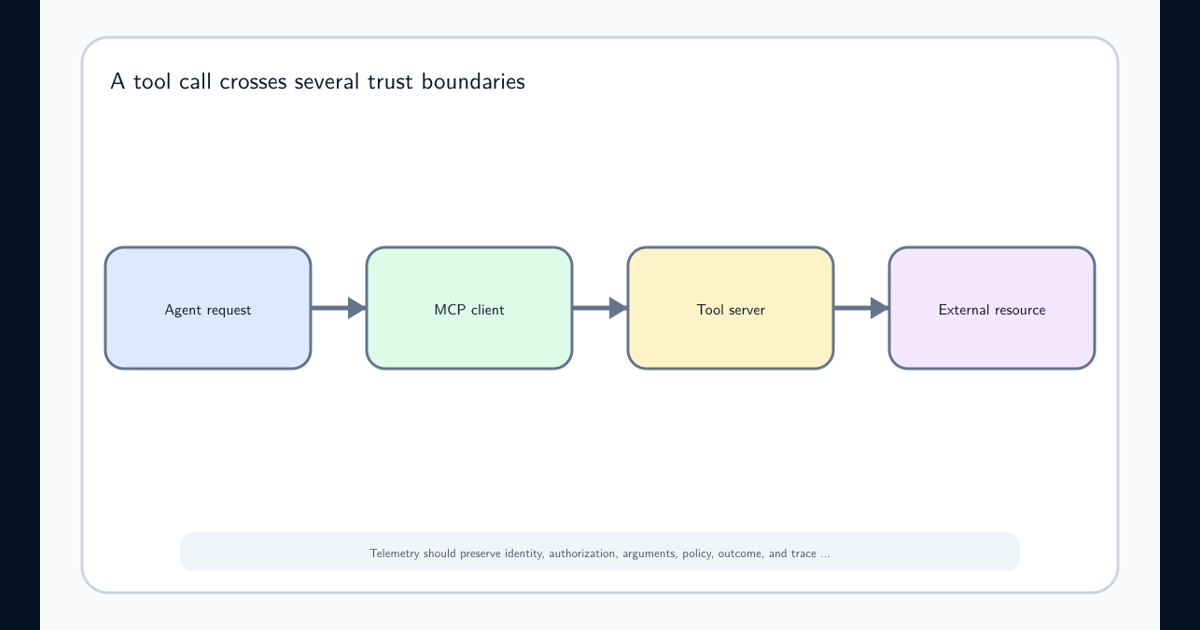
Freeze ingestion from the affected source, remove its retrieval eligibility, preserve originals and audit history, and identify all chunks, indexes, caches, conversations, evaluations, and downstream actions derived from it. Revoke tools or credentials if retrieved instructions triggered AI tool calls.
Correct source permissions, rebuild affected indexes from verified material, invalidate caches, replay representative queries, and compare citations and decisions. Deleting one vector is insufficient when the document was chunked into many records or copied into several indexes.
Evaluate provenance loss, instruction following, and citation faithfulness
Maintain clean and adversarial document sets, queries that should and should not retrieve them, expected citations, and forbidden actions. Measure poisoned-source retrieval rate, instruction-following rate, cross-tenant retrieval, unsupported-claim rate, and cleanup completeness. Filters can regress when extractors, embeddings, rerankers, prompts, or models change.
Run a reversible poisoned-document drill
Next step: in an isolated test index, ingest a clearly labeled synthetic document containing a harmless conflicting instruction and false fact. Trace its provenance, retrieval rank, citation, output handling, quarantine, derivative cleanup, and post-cleanup replay. Do not plant deceptive content in a live knowledge source.
Frequently asked questions
Is RAG poisoning the same as training-data poisoning?
No. RAG poisoning usually changes external content retrieved at inference time; training poisoning changes data used to fit model parameters. Controls and recovery differ.
Can a content filter completely prevent RAG poisoning?
No. Filters reduce known patterns but cannot prove a source is truthful or instruction-free. Use provenance, access control, isolation, citations, evaluation, and limited downstream authority.