
Your cart is currently empty!
Blog
Well — we are pretty straight forward. This is our blog. We hope you will like it.
-
Expert Tips On Preventing Data Loss
As someone deeply immersed in cybersecurity, I can’t stress enough the importance of preventing data loss for any business. Data is the lifeline of modern business, powering everything from day-to-day operations to strategic decision-making. The Importance of Preventing Data Loss How to prevent digital data loss Let’s explore some effective ways to shield your company…
-
How HIDS Enhance Cybersecurity
Host-based Intrusion Detection Systems (HIDS) stand out as a critical component in safeguarding individual hosts like servers, workstations, and mobile devices. Let’s delve into how HIDS operate, their benefits, and the nuances of choosing and using them effectively. How Host-based Intrusion Detection Systems Work HIDS are installed directly on the host they’re meant to protect,…
-
Credential Access Techniques in Cybercrime
In this post, we are going to take a look at some Credential Access Techniques used in Cybercrime. The goal is to give you a view on the types of attacks so that you can up your cybersecurity posture. Credential Access Techniques in Cybercrime These 8 techniques form a crucial component of the attack lifecycle,…
-
Effective Cyber Threat Response with MDR
In the constantly evolving landscape of cybersecurity, detecting a cyber threat is only the beginning. The real challenge lies in effectively responding to it. As a cybersecurity expert, I’ve seen organizations grapple with this challenge. Effective threat response involves a series of well-orchestrated steps, from identification to recovery. In this guide, we’ll explore these critical…
-
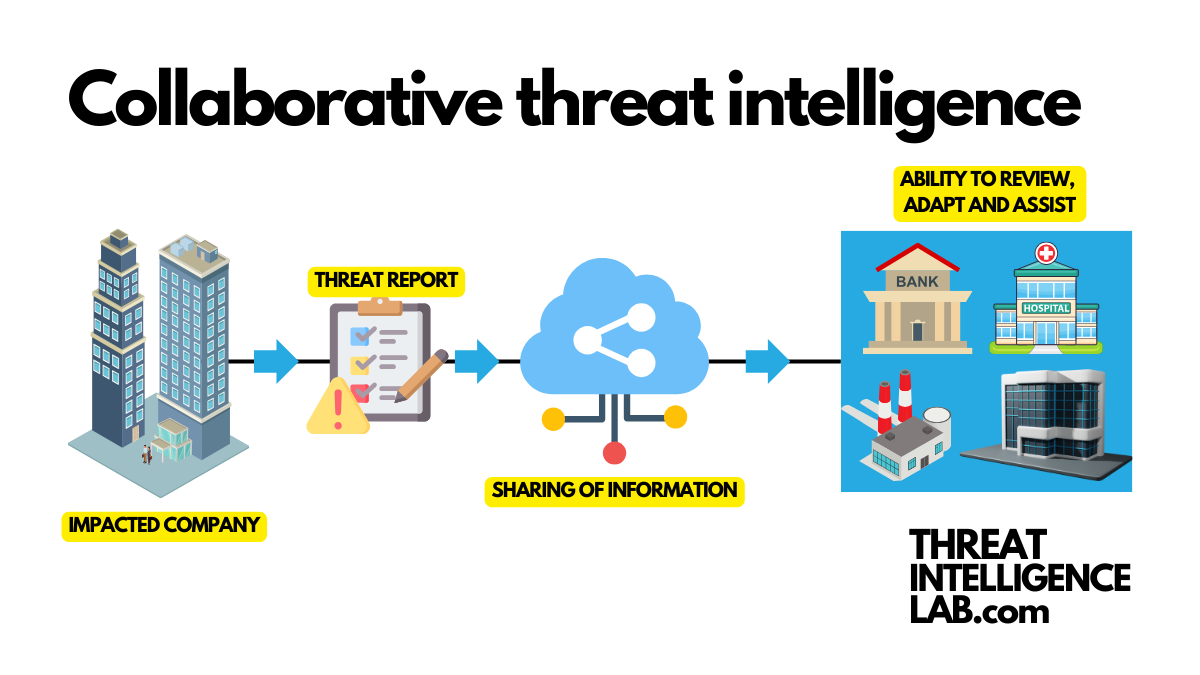
The Power of Collaboration in Cybersecurity Teams
Collaborative threat intelligence – this term encapsulates a revolutionary approach in the dynamic and challenging world of cybersecurity. Working in cybersecurity is like playing a never-ending game of ‘whack a mole’. As cybersecurity professionals, we constantly face a barrage of cyber threats, each one more cunning and elusive than the last. In this high-stakes environment,…
-
Types of Brand Impersonation Attacks
Introduction In my years of experience in cybersecurity and threat intelligence, I’ve seen an alarming rise in brand impersonation attacks. These sophisticated cyber threats not only compromise the security of a company but also erode customer trust. At Threat Intelligence Lab, we’ve encountered numerous instances of brand impersonation and have developed a deep understanding of…
-
Top 13 Essentials for Choosing a Threat Intelligence Platform
When searching for a threat intelligence platform, there are several key features to consider to ensure you’re choosing the most effective tool for your cybersecurity needs. As someone deeply immersed in the world of cybersecurity, I’ve identified several critical features that stand out in top-tier threat intelligence platforms. Here Are My 13 Points I consider…
-
Quick Analysis of Microsoft Graph API Abuse
These cybercriminals just won’t stop. In this article, we will take a look at multiple cyberattacks in which the Microsoft Graph API was abused by threat actors. With a focus on the North Korean APT InkySquid and Chinese APT15. The Common Thread: Microsoft Graph API Abuse The common thread in the strategies employed by both…
-
10 Essential Strategies for Swift Cyber Takedown
The Critical Need for Speed in Cyber Response In the dynamic and often perilous world of cybersecurity, time is of the essence. A rapid response can be the deciding factor between a minor security event and a disastrous breach. At ThreatIntelligenceLab, we have identified 10 critical strategies that are key to accelerating cyber takedown. 10…
-
What is a “DNS Sinkhole”?
A DNS sinkhole is a defensive mechanism designed to protect users from malicious or unwanted domains. A DNS sinkhole intercepts DNS requests attempting to connect to these harmful sites and returns a controlled IP address instead. This address leads to a sinkhole server managed by the DNS sinkhole administrator. Essentially, it acts as a filter…